Growing Vegetables
Organic Vegetables: Growing, Benefits, and Fresh Produce

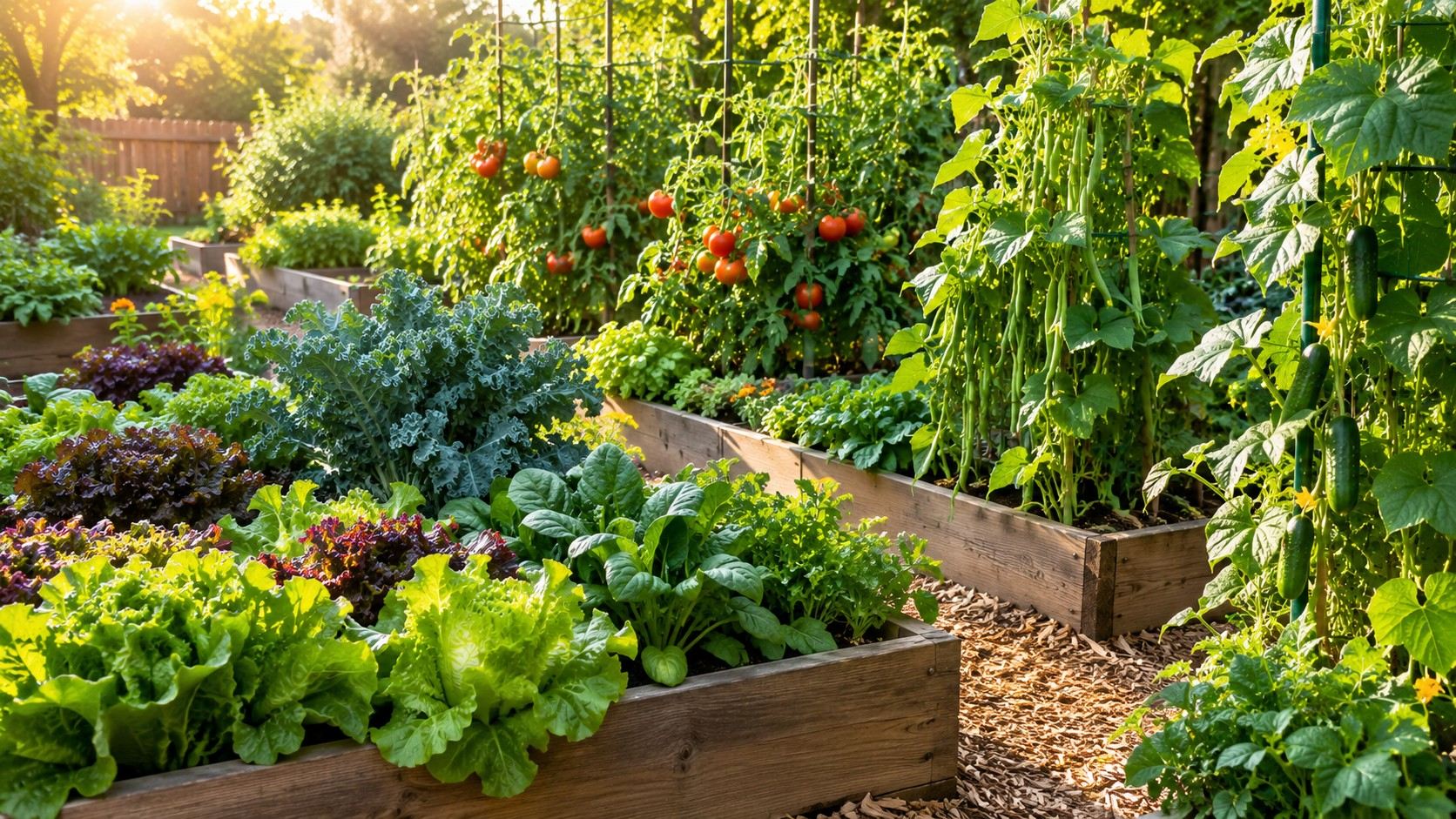
Growing organic vegetables at home lets you enjoy fresh produce while building healthier soil and supporting biodiversity. Whether you have a backyard, raised bed, balcony, or a few containers, you can start with simple crops and gradually expand your garden. The key is to understand what your vegetables need: suitable seeds, fertile soil, enough sunlight, consistent watering, and timely care. Organic gardening is not simply about avoiding synthetic chemicals; it is about creating a growing environment where soil, plants, insects, and beneficial microorganisms work together. This tutorial describes how to cultivate organic veggies, which crops are best for novices, how to handle typical garden issues, and how to maximize your harvest.
What Are Organic Vegetables?
Organic vegetables are grown using production practices that avoid prohibited synthetic pesticides and fertilizers and emphasize soil health, ecological balance, and responsible pest management. Exact rules for using the term organic on food labels depend on the country and its certification system. A home garden can follow organic methods, but that does not automatically make its produce officially certified.
Why Grow Organic Vegetables?
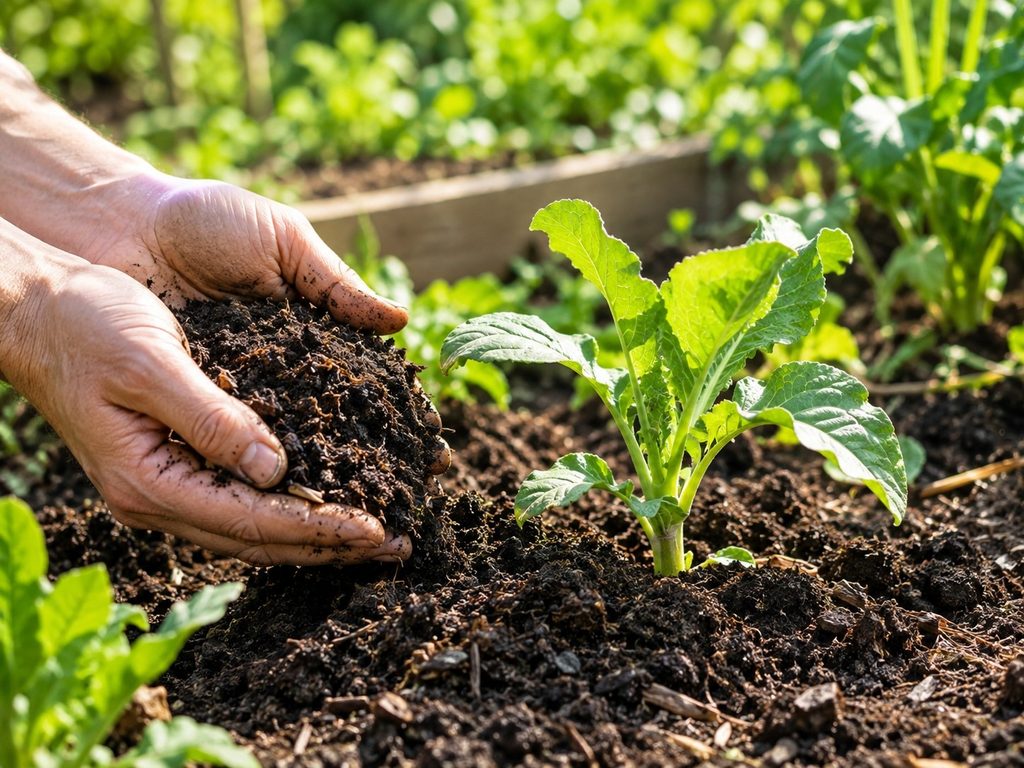
Organic gardening focuses on improving the growing environment as well as producing food. Compost and other suitable organic matter can improve soil structure, help retain moisture, and support soil organisms. Diverse planting, mulching, and thoughtful crop rotation can also help support beneficial insects and reduce some pest and disease pressures.
Growing vegetables at home also gives you more control over crop selection, harvest timing, and the materials used in your garden. However, organic does not mean pest-free or automatically more nutritious. Crop quality depends on the variety, soil, climate, maturity, and growing conditions.
Best Organic Vegetables for a Home Garden
Start with vegetables suited to your local climate and available space. These familiar crops offer a range of flavors, growing habits, and uses in everyday meals.
Leafy Greens
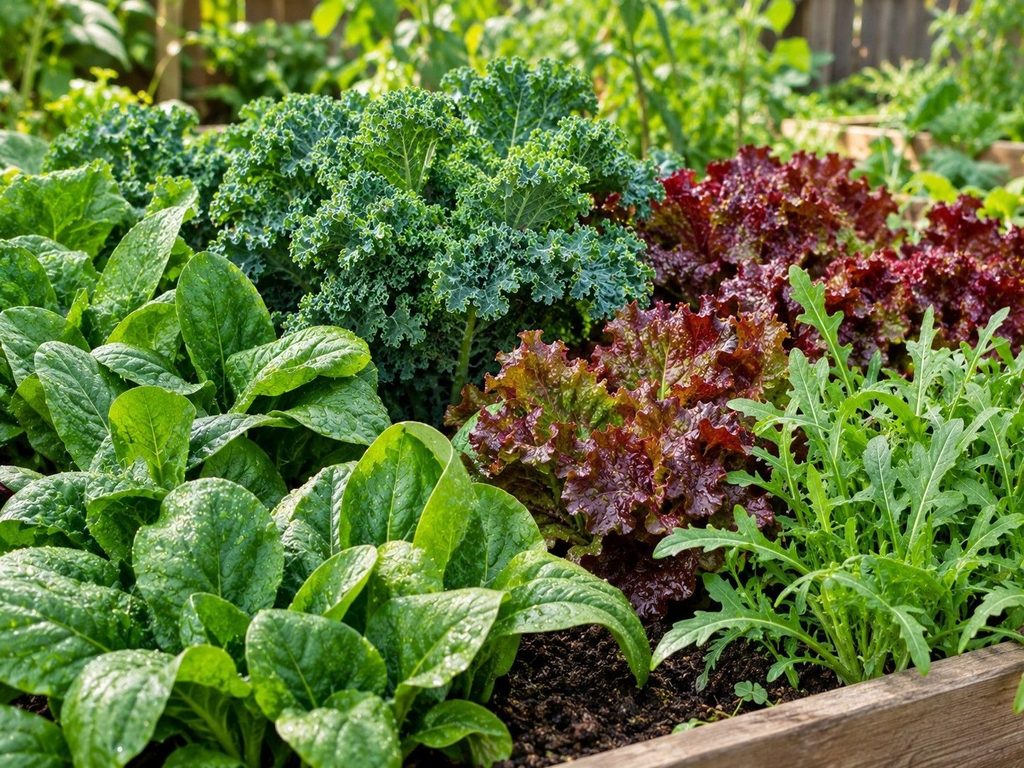
Spinach, kale, red leaf lettuce, and arugula are useful choices for salads, soups, and cooked dishes. Depending on the cultivar, many leafy greens can be harvested leaf by leaf and thrive in colder climates. Provide sufficient space for air circulation, consistent moisture, and fertile soil.
Root Vegetables
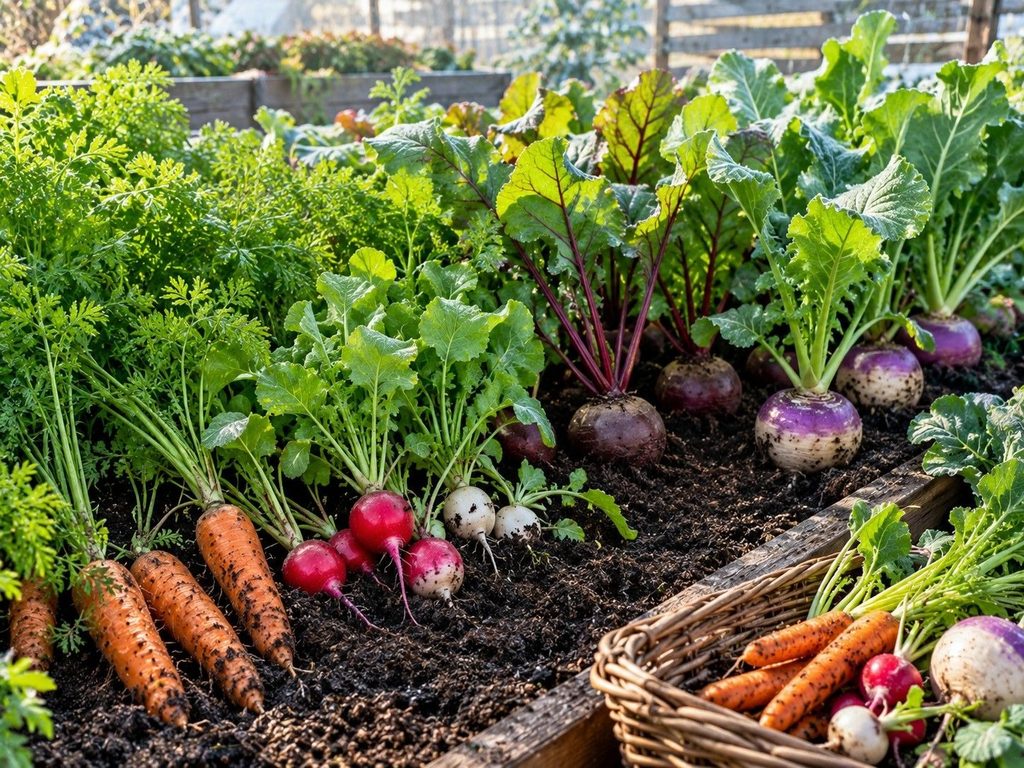
Carrots and beetroot grow underground and need loose, stone-free soil to develop evenly. Radishes are another option for gardeners looking for a quick-growing crop. Thin seedlings where necessary so roots have enough room to develop.
Fruiting Vegetables
Tomatoes, cucumbers, and organic green beans are productive options when their needs are met. Tomatoes generally require a sunny position and support as they grow. Cucumbers need consistent moisture and space for their vines, while green beans benefit from suitable spacing and regular harvesting.

Other Useful Crops
Broccoli, cabbage, celery, potatoes, and sweet potatoes can add variety to a home garden. Choose varieties suitable for your growing season, and check whether each crop needs cool weather, a long warm season, or extra room underground or above ground.
How to Grow Organic Vegetables Successfully
Choose Suitable Seeds and Growing Space
Look for healthy, locally suitable organic vegetable seeds where available. Non-GMO and heirloom seeds are also search terms commonly used by gardeners, but they are not interchangeable with organic certification. You can also start with healthy seedlings from a trusted supplier. Select a space with good drainage and, for most fruiting vegetables, around six or more hours of direct sunlight; exact needs vary by crop and climate.
Prepare Healthy Soil
Strong roots and consistent plant growth are supported by healthy soil. Add mature, well-made compost to improve soil structure and organic matter. If possible, test your soil before adding fertilizers or amendments, as excess nutrients can also cause problems. Avoid using fresh manure directly around growing vegetables because it may damage plants and introduce harmful pathogens.
Water and Feed Carefully
Water deeply enough to moisten the root zone, then adjust frequency according to rainfall, temperature, soil type, container size, and crop. Instead of adhering to a strict daily routine, check the soil. If the surface is dry, inspect the soil a little deeper before watering. Apply fertilizer according to plant needs and soil-test guidance; too much nitrogen, for example, can encourage leafy growth at the expense of fruiting in crops such as tomatoes.
Prevent Pests and Diseases
Regularly inspect leaves, stems, and the undersides of foliage. Remove weeds, keep tools clean, provide suitable spacing, and rotate crop families between growing seasons where possible. Mulch helps reduce weed growth and preserve soil moisture. Identify a pest or disease before treating it, and follow product labels carefully—even products approved for organic gardening can harm people, plants, or beneficial insects if misused.
Harvest at the Right Time
Harvest vegetables when they are mature enough and the right size for the variety. Pick leafy greens regularly if the variety supports repeated harvesting, and check fruiting crops often during productive periods. Use clean tools and handle produce gently to reduce bruising. Harvest timing varies with the crop, variety, and weather.
Organic Vegetables in Containers and Small Spaces
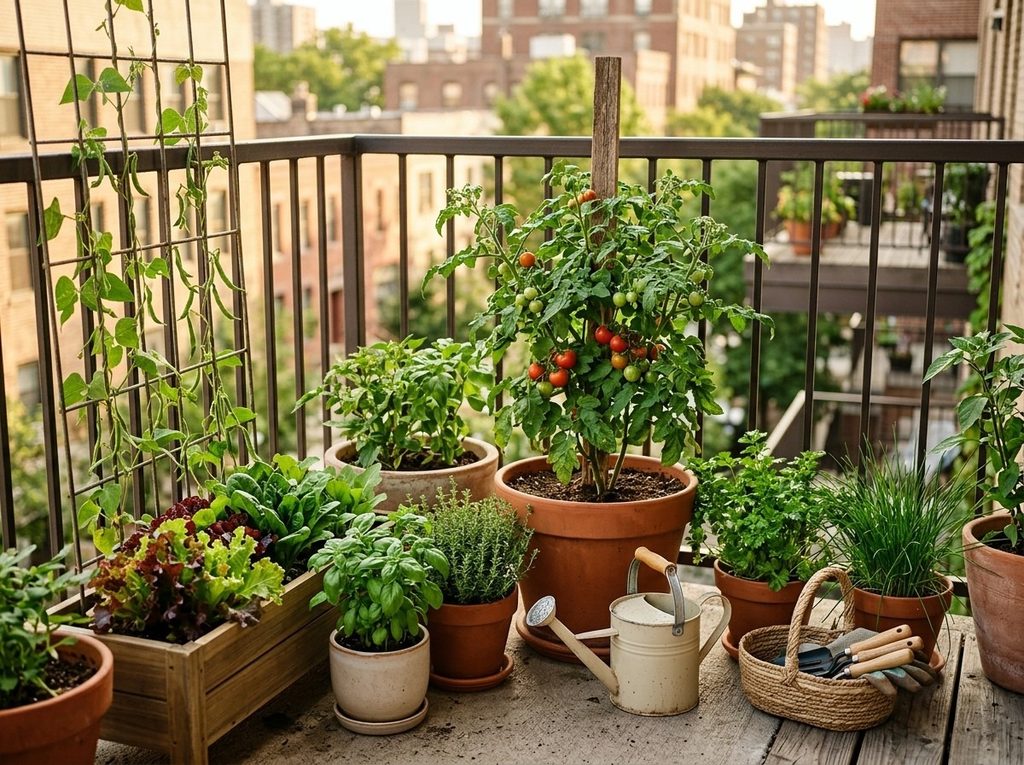
Growing organic vegetables does not require a big area. Containers, raised beds, and balcony planters can accommodate crops such as lettuce, spinach, herbs, tomatoes, and some compact cucumber or bean varieties. Use containers with drainage holes and a suitable growing mix, and remember that pots dry out faster than garden beds. Choose compact varieties where space is limited and provide supports for climbing or sprawling plants.
From Garden to Table
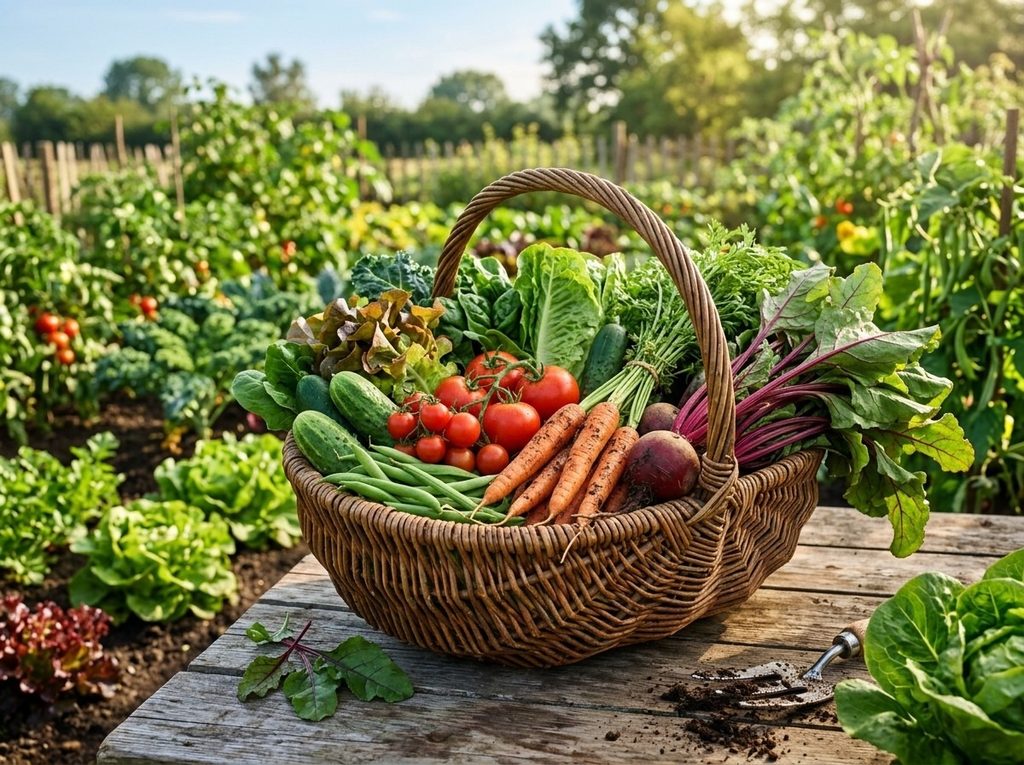
Freshly harvested vegetables can be used in salads, soups, curries, sauces, and side dishes. Combine spinach or kale with other greens, roast carrots and beetroot, or use tomatoes and cucumbers in a simple salad. Before consuming or preparing produce, wash it under clean running water. If you buy rather than grow your vegetables, consider seasonal produce, local organic vegetable delivery, or organic vegetable boxes where reliable options are available.
3. Conclusion
Growing organic vegetables is a practical way to produce fresh food while caring for the soil and the wider garden environment. Start with a few suitable crops, prepare healthy soil, and be mindful of plant health, sunlight, and watering. Whether you grow tomatoes in containers, leafy greens in raised beds, or carrots in a backyard plot, steady observation and simple organic practices can help you build a productive garden over time.
4. FAQs
1. What are the easiest organic vegetables to grow for beginners?
Leafy greens, radishes, green beans, and some tomato varieties can be approachable choices. The easiest crop depends on your climate, growing space, and the care you can provide.
2. Do organic vegetables need special soil?
They do not require a completely different soil, but healthy, well-drained soil rich in suitable organic matter supports good growth. Compost and soil testing can help you manage fertility.
3. Can I grow organic vegetables in pots?
Yes. Spinach, lettuce, herbs, compact tomatoes, and some cucumber varieties can grow in containers. Choose an appropriately sized pot with drainage and monitor moisture closely.
4. Are organic seeds the same as non-GMO seeds?
No. Organic describes how seeds are produced under applicable organic standards, while non-GMO refers to genetic modification. A seed may be non-GMO without being certified organic.
5. How can I control pests in an organic vegetable garden?
Start with prevention: inspect plants, remove weeds, rotate crops, encourage beneficial insects, and use physical barriers when suitable. Identify the pest before selecting a treatment.
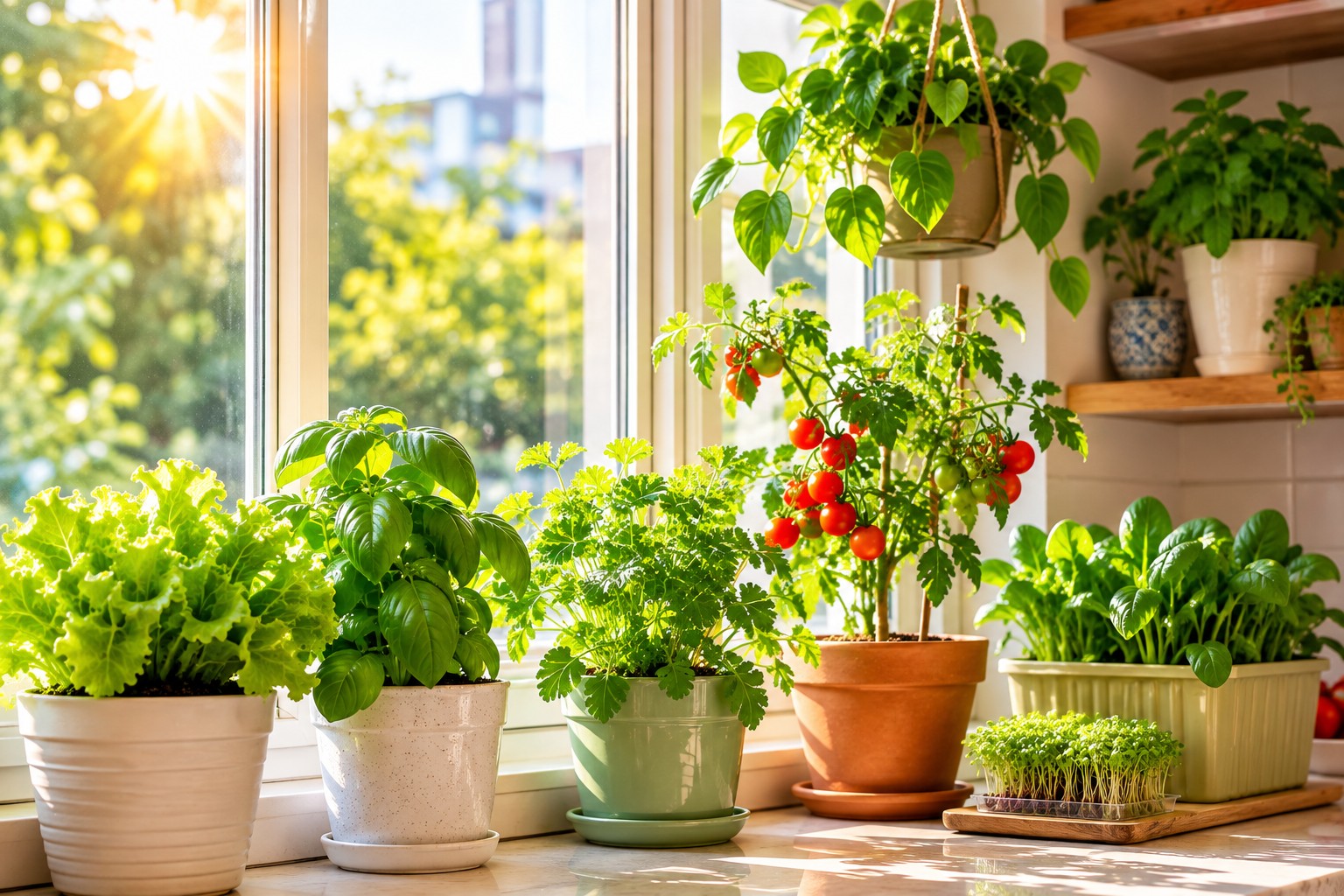
You don’t need a backyard, balcony, or large garden to grow vegetables indoors and enjoy fresh, homegrown vegetables. With the right containers, sufficient light, and regular care, you can grow vegetables indoors using a sunny windowsill, a shelf, or a small corner of your home.
Beginners, apartment dwellers, and anyone with little outdoor space can all benefit from indoor vegetable planting. It also allows you to grow fresh greens and herbs when outdoor weather is unsuitable. Although not every vegetable thrives indoors, choosing compact varieties and providing the right growing conditions can help you enjoy a rewarding harvest.
This guide explains how to start a garden to grow vegetables indoors, which vegetables to choose, what supplies you need, and how to care for your plants.
Why Grow Vegetables Indoors?
To grow vegetables indoors gives you greater control over your plants’ environment. You can adjust their light exposure, monitor soil moisture, and protect them from many outdoor weather problems.
An indoor vegetable garden can also help you:
- In a little area, cultivate fresh herbs and veggies.
- Harvest leafy greens without visiting the market.
- Enjoy gardening throughout the year.
- Make use of sunny windowsills and unused shelves.
- Do not invest in a big garden arrangement; start modest.
The key is to select plants that suit your available light, space, and level of experience.
How to Start Grow Vegetables Indoors
You don’t need expensive equipment to begin. Start with a few containers, suitable seeds, a quality potting mix, and a location that receives enough light.
Choose the Right Location
Light is one of the most important factors in indoor vegetable gardening. A bright, south-facing window in the Northern Hemisphere often provides strong natural light, but the actual amount depends on nearby buildings, trees, window size, and the season.
Observe your chosen location for several days to see how much direct sunlight it receives.
Leafy greens and some herbs can tolerate less light than fruiting vegetables. For optimal growth and fruit production, tomatoes and peppers typically require more intense light. If your windowsill doesn’t provide enough light, use an appropriate LED grow light. This makes it possible to grow vegetables indoors even in rooms with limited natural sunlight.
Gather Essential Supplies
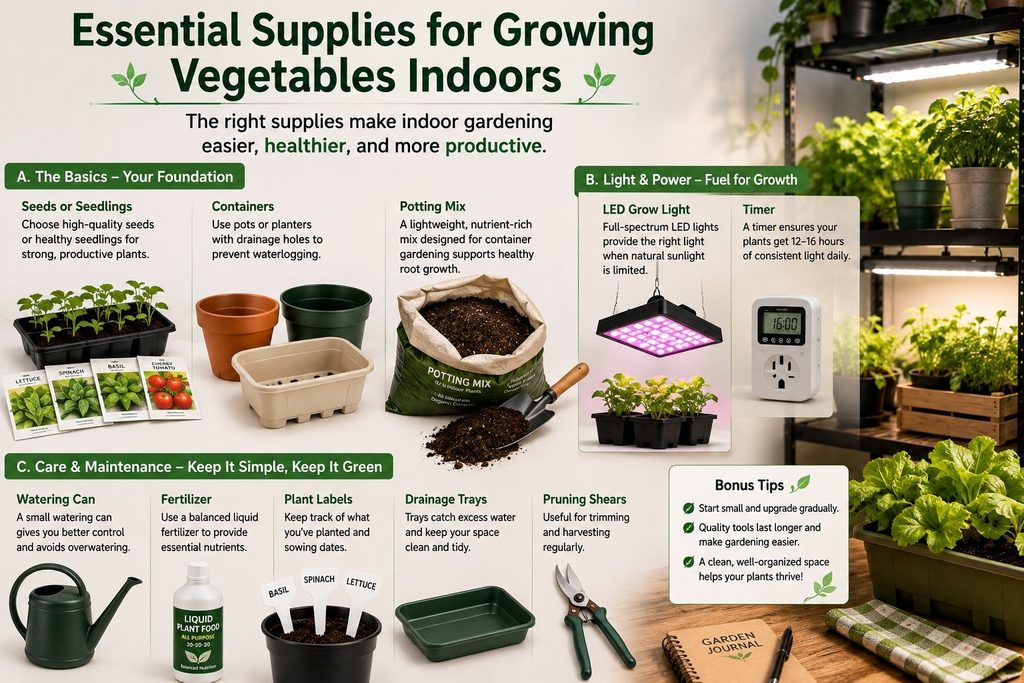
Start with these basic gardening supplies:
- Seeds or seedlings: Choose vegetables suited to grow vegetables indoors.
- Containers: Select pots or planter boxes appropriate for each crop.
- Potting mix: Use a lightweight growing medium designed for containers.
- Grow lights: Add these if natural light is insufficient.
- Watering can: A small watering can helps you water carefully.
- Fertilizer: Keep a suitable vegetable fertilizer available.
- Saucers or trays: Use trays or saucers to collect extra water and shield interior surfaces.
- Plant labels: List the various veggies together with the dates of planting.
You can begin with just two or three containers and expand as you gain experience.
If you plan to raise your own seedlings, consult this guide to starting vegetable seeds indoors for additional advice on lighting, containers, and early plant care.
Choose Suitable Containers and Potting Mix
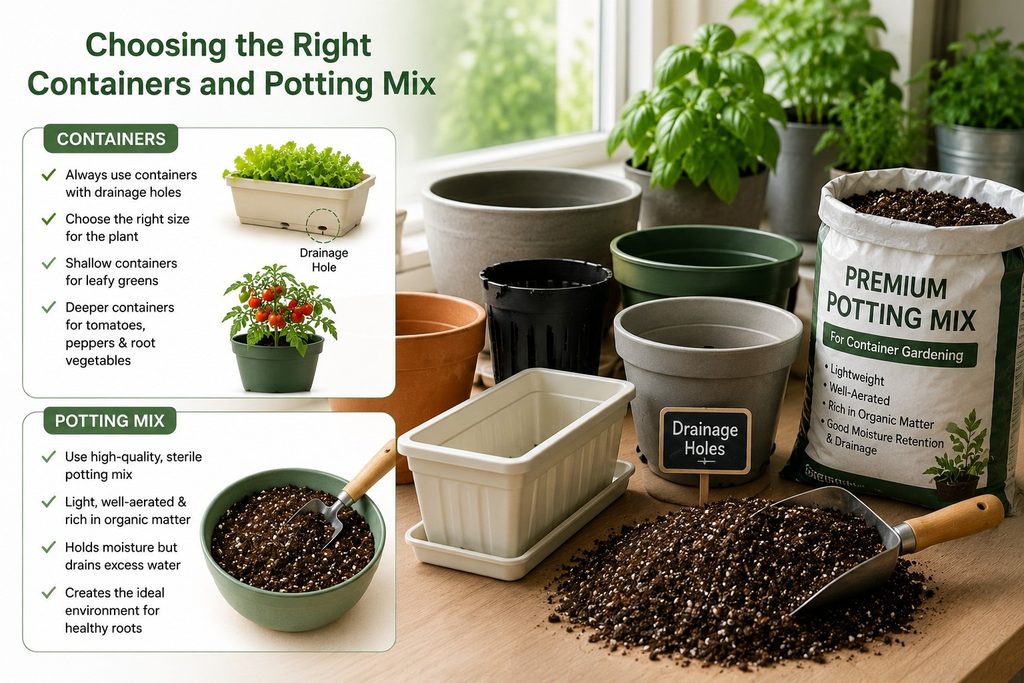
Select containers according to the size and root requirements of your vegetables. Leafy greens can grow in relatively shallow planters, while radishes and other root vegetables need enough depth for their roots to develop. Tomatoes and peppers generally require larger containers.
Containers without drainage holes might retain additional water, which raises the danger of root rot. Always provide proper drainage.
Use a lightweight potting mix that retains moisture while allowing excess water to drain. Avoid ordinary garden soil in indoor pots because it can become compacted and may introduce pests or drainage problems.
Place containers on saucers or waterproof trays to catch drainage water, and empty the saucers after watering.
For more information about choosing containers and growing media, see this guide to growing vegetables in containers
Best Vegetables to Grow Indoors
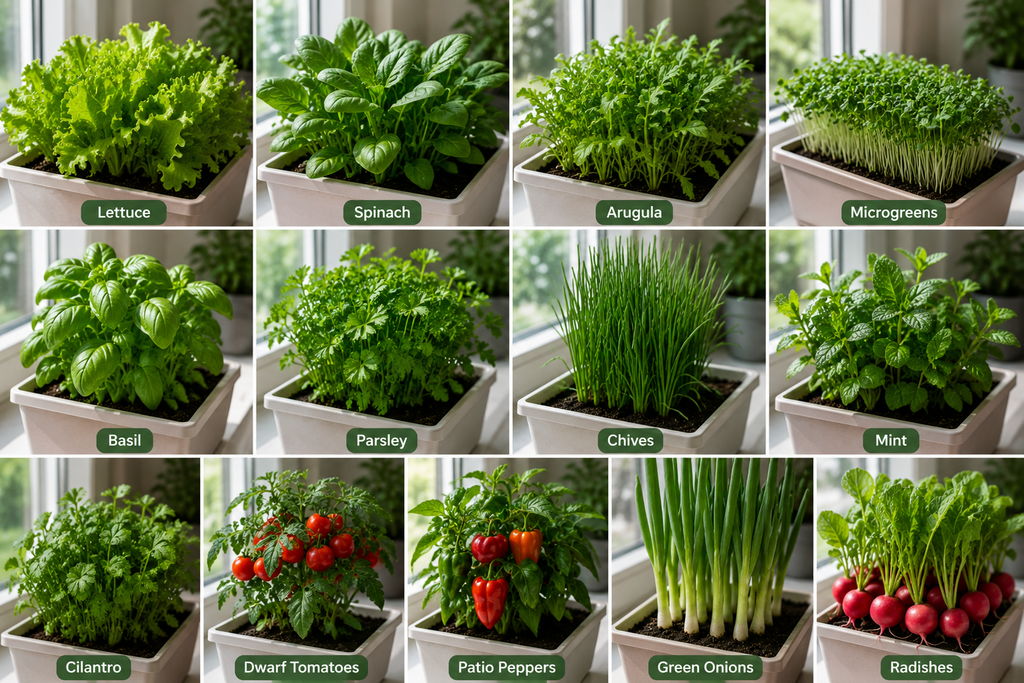
Choosing the right crops makes indoor gardening easier and more productive. Begin with fast-growing, compact plants before experimenting with vegetables that need more space or stronger light.
Leafy Greens

For tiny indoor gardens, lettuce, spinach, arugula, and baby kale are great options. They can grow in containers and are generally easier to manage than vegetables that produce large fruits.
Harvest the outer leaves when the plants are established, leaving the growing center intact when appropriate. This cut-and-come-again approach can provide repeated harvests.
Herbs

Basil, parsley, chives, cilantro, and mint are useful choices for a kitchen herb garden. Grow each herb in a suitable container and group plants with similar watering needs.
Most herbs grow best with bright light. If your kitchen receives limited sunlight, supplemental lighting can help maintain healthy growth.
Harvest herbs regularly without removing too much foliage at once. Pinching suitable herbs can also encourage fuller growth.
Radishes and Green Onions
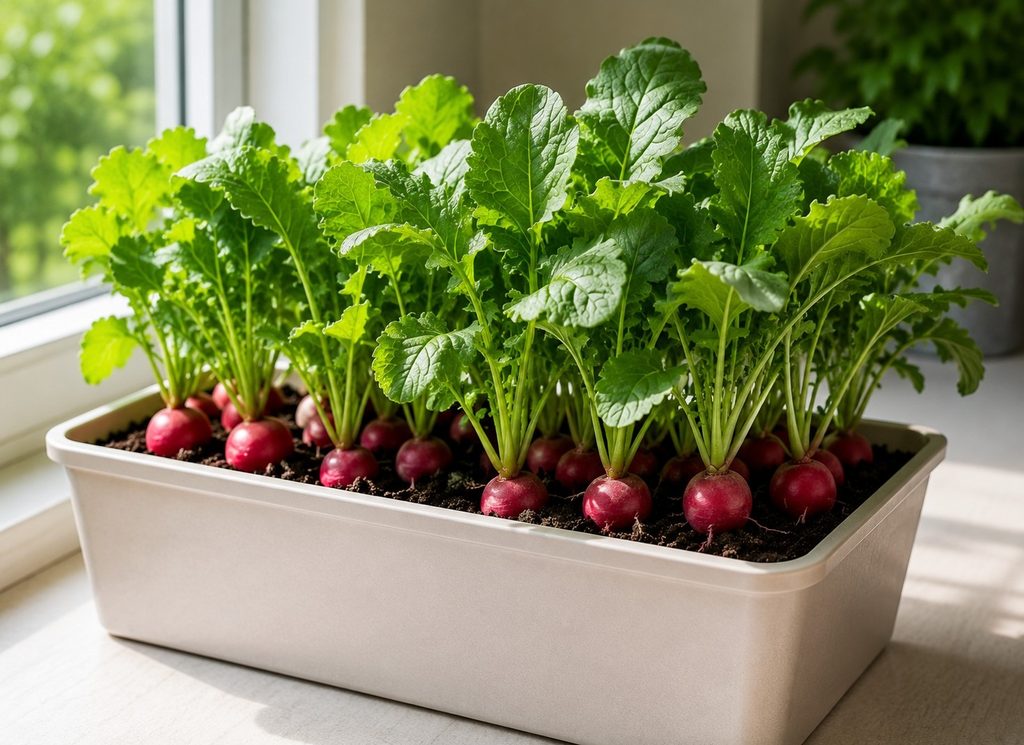
Radishes are a practical option for beginners because they grow relatively quickly. Choose a container deep enough for the selected variety, use loose potting mix, and follow the seed packet’s spacing instructions.
Make sure the growing medium is consistently damp but not soggy. Harvest radishes when they reach the recommended size rather than leaving them crowded in the container.
Green onions are another useful choice for small spaces. They grow upright and take up relatively little room.
Microgreens and Sprouts
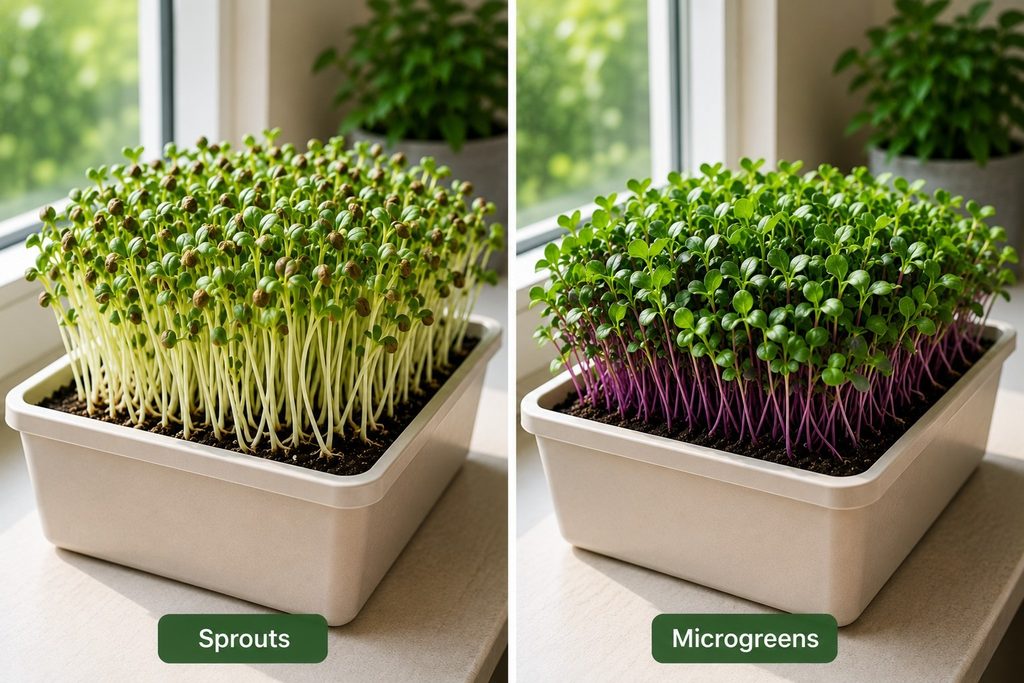
Microgreens are young vegetable or herb seedlings harvested shortly after their first leaves develop. Depending on the crop and growing conditions, many are ready in approximately 10–21 days.
They are well suited to shallow trays and provide a quick, beginner-friendly way to grow vegetables indoors.
Sprouts are different from microgreens because they are usually grown without potting mix and harvested at an earlier stage. If growing sprouts for food, use seeds intended for sprouting and follow appropriate food-safety practices.
Tomatoes and Peppers
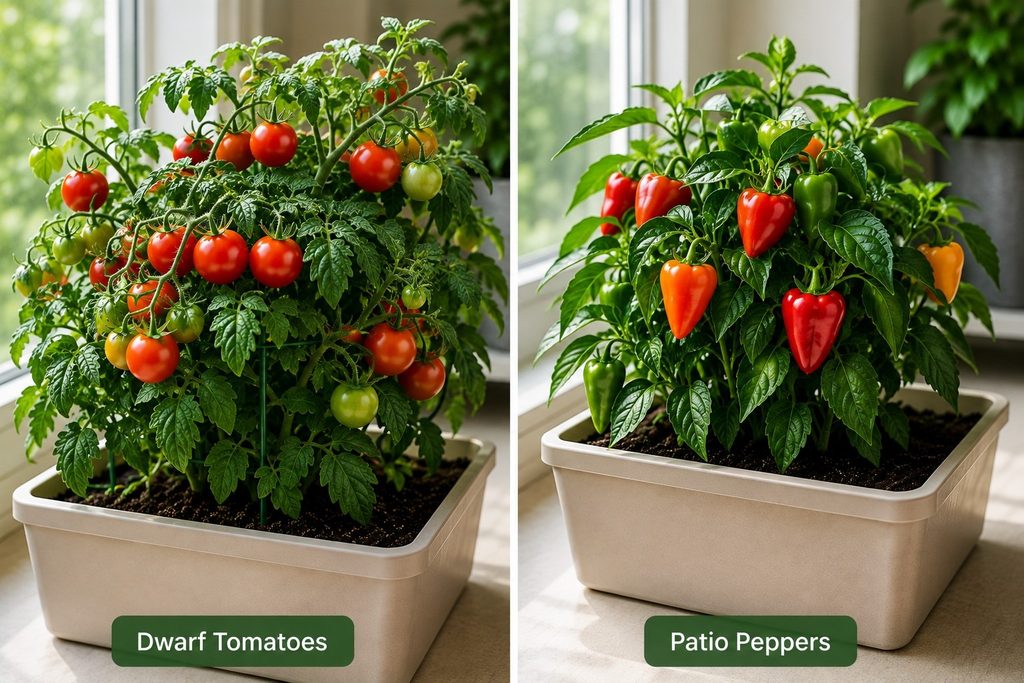
Dwarf tomatoes and patio pepper varieties can grow indoors, but they need more attention than leafy greens.
Choose a sufficiently large container and provide strong light. Fruiting vegetables generally need considerably more light than herbs and salad greens, so a suitable grow light may be necessary.
Pollen can be released by gently tapping or shaking flowering plants when they appear indoors. Keep watering and feeding consistent, and provide support if the plants become heavy.
Large crops such as corn, pumpkins, and sprawling melons are usually less practical for small indoor gardens because of their space and light requirements.
How to Provide Enough Light
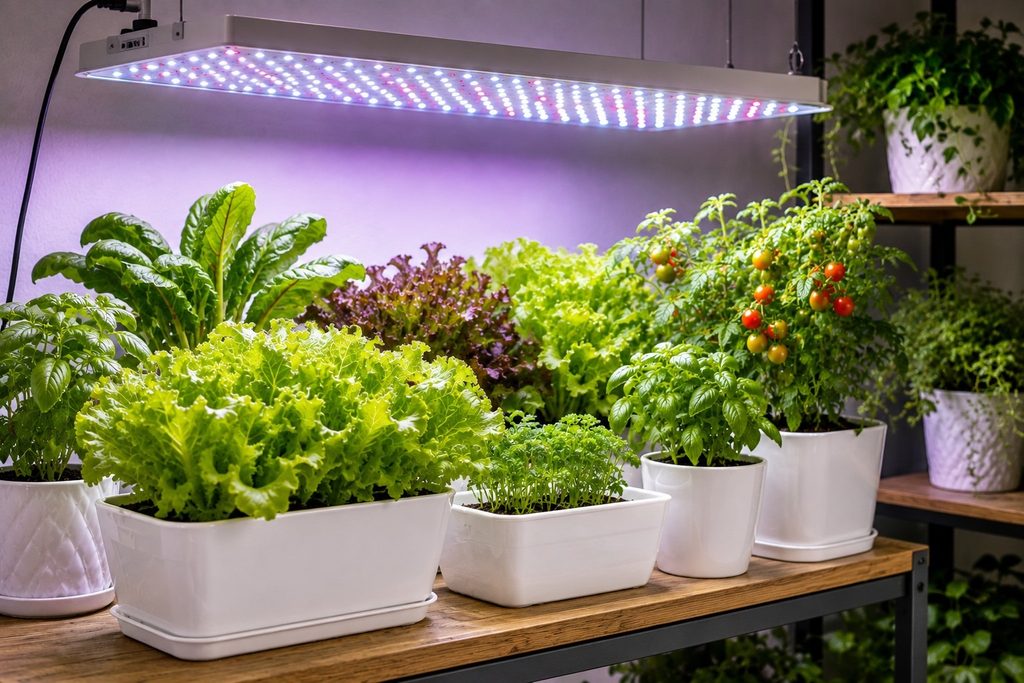
Insufficient light is one of the most common reasons indoor vegetable plants become weak or produce disappointing harvests.
Plants receiving too little light may develop long, thin stems, pale leaves, or slow growth. Fruiting vegetables may also struggle to flower and produce fruit.
If you use grow lights, adhere to the location and operation time guidelines provided by the manufacturer.LED grow lights are one of the most reliable ways to grow vegetables indoors because they provide consistent light regardless of the weather or season. As a general starting point, many indoor vegetable seedlings and leafy crops benefit from approximately 12–16 hours of suitable supplemental light per day, depending on the crop and light intensity.
Adjust the light as the plants grow by placing it at the proper height above them. Avoid placing lights so close that they cause
excessive heat or leaf damage.
Plants also need a period of darkness, so don’t leave grow lights running continuously.
Rotate windowsill containers periodically so plants receive more even light, especially if they lean toward the window.
Watering and Feeding to grow Vegetables indoors
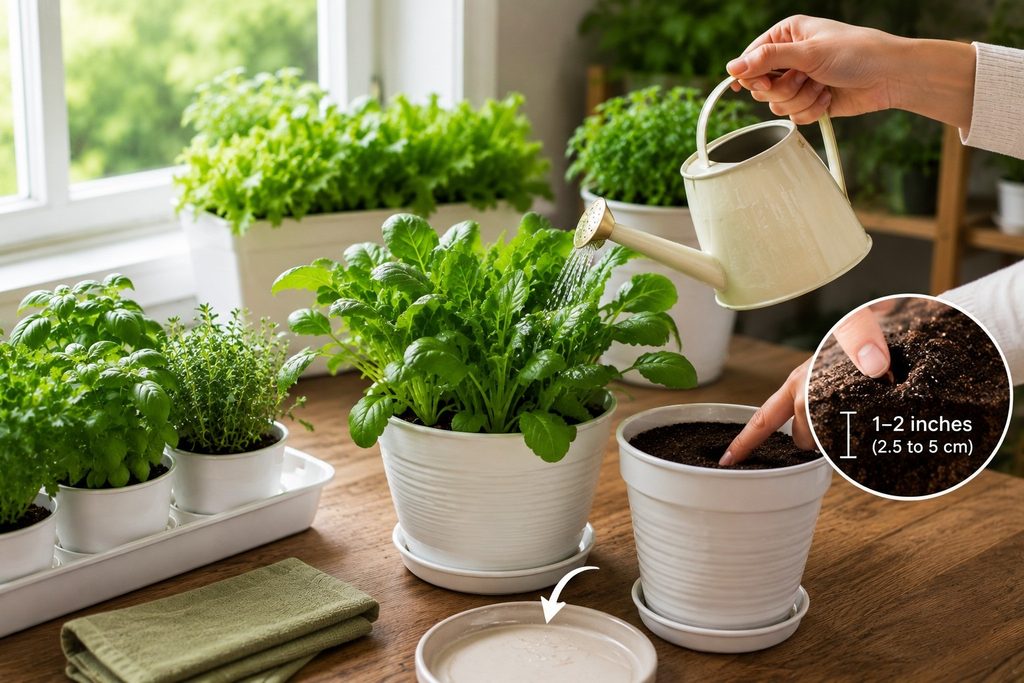
Indoor plants need regular monitoring, but watering every pot on a fixed schedule can cause problems.
Check the soil before watering, and only add water when the top 1 to 2 inches (2.5 to 5 cm) feels dry to the touch. Water slowly until excess drains from the bottom of the pot, then empty the saucer to prevent root rot.
Allow the pot to drain freely and empty the saucer. Keep the mix appropriately moist for the vegetable you’re growing, but avoid leaving roots in standing water.
Small containers may dry out faster than large ones, while cooler indoor conditions can slow evaporation. Adjust watering according to the plant, container, temperature, and moisture level.
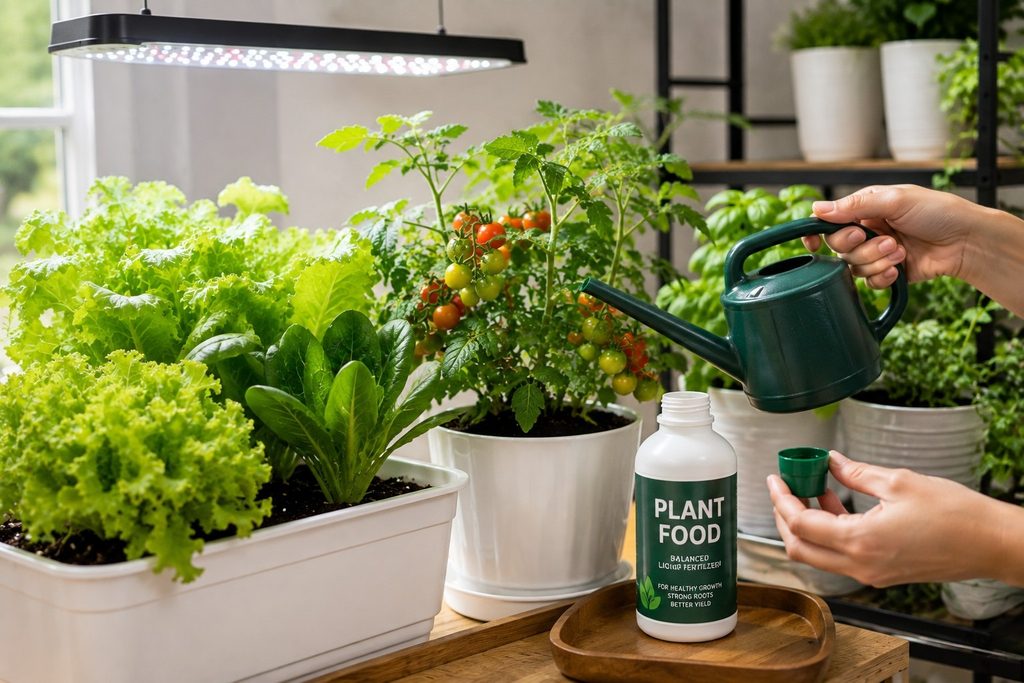
Container plants also need nutrients because their roots have limited access to growing medium. Use a balanced liquid fertilizer suitable for vegetables, following the product label. Avoid applying extra fertilizer in the hope of speeding up growth, as excessive feeding can damage plants.
The guide explains how to assess soil moisture, water containers thoroughly, and avoid common watering problems.
Maintain a Healthy Indoor Vegetable Garden
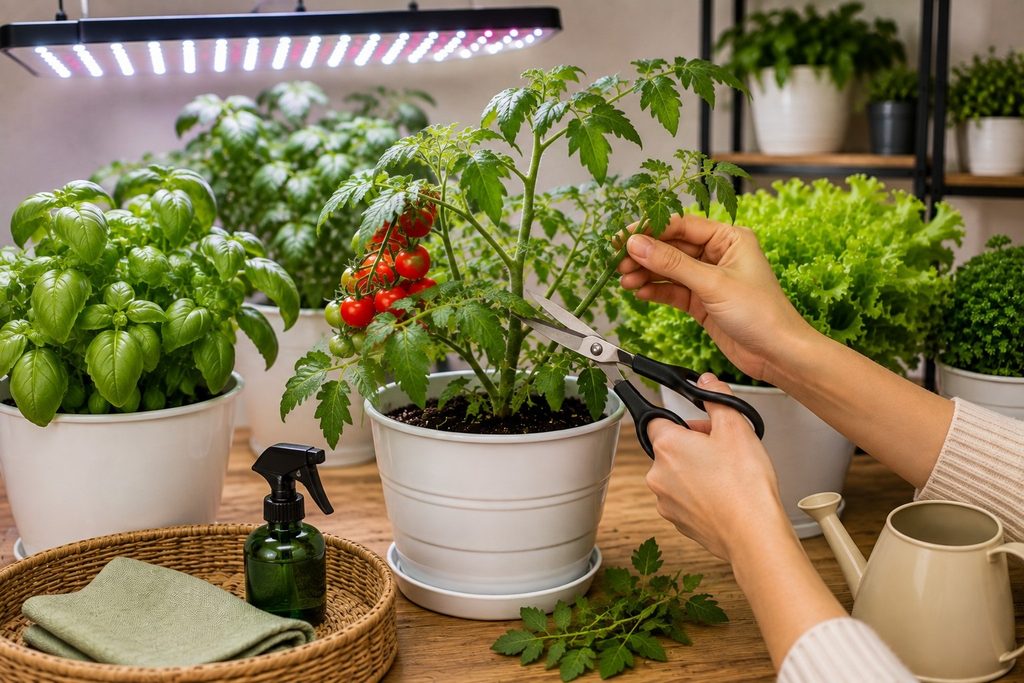
You can find issues before they become more serious by doing routine inspections.
- Check for pests: Look underneath leaves for aphids and spider mites. Inspect the potting mix for fungus gnats.
- Remove damaged leaves: Prune dead or diseased foliage with clean scissors.
- Improve airflow: Avoid crowding plants together, and provide gentle air circulation when needed.
- Prevent overwatering: Check moisture before watering and ensure containers drain properly.
- Pruning: Regular pruning keeps indoor vegetables healthy, productive, and easier to manage
- Keep leaves clean: Remove dust gently so foliage remains clean.
- Rotate containers: Turn pots periodically to promote more even growth.
If plants become tall and weak, reassess their lighting. If leaves yellow and the mix stays wet, check your watering practices and drainage before adding fertilizer.
Instead of attempting to cultivate every crop indoors, pick vegetables based on the light and space you have available.
When and How to Harvest
Harvesting at the right time helps you enjoy fresh vegetables and may encourage continued production.
For leafy greens, pick the outer leaves first when appropriate, allowing the center to continue growing. Use clean scissors to avoid damaging stems.
Harvest radishes when their roots reach a suitable size for the variety. For herbs, take small amounts regularly while leaving enough foliage for continued growth.
Avoid removing more than about one-third of a plant’s foliage at once when repeated harvesting is your goal. After harvesting, keep giving the surviving plant the right amount of light, water, and nutrients to help it heal.
Final Thoughts
Learning how to grow vegetables indoors starts with a few simple decisions: choose suitable crops, provide enough light, use containers with drainage, and monitor moisture regularly.
Start with easy options such as lettuce, herbs, radishes, or microgreens. Once you understand how your indoor space supports plant growth, you can experiment with compact tomatoes and peppers.
A tiny shelf or windowsill can be transformed into a practical growing area. With patience and consistent care, you can enjoy fresh homegrown produce without needing a traditional garden.
Frequently Asked Questions
Can I grow vegetables indoors without direct sunlight?
Yes. Suitable LED grow lights can support indoor vegetable growing when natural sunlight is insufficient. Choose a light appropriate for your crops and follow its recommended placement and operating time.
What are the easiest vegetables to grow indoors?
Lettuce, spinach, microgreens, radishes, green onions, and several culinary herbs are good starting choices. They generally require less space than large fruiting vegetables.
How Much Time Is Needed to Grow Vegetables Indoors?
The crop and environment determine how long it takes to grow. Many microgreens are ready in around 10–21 days, while leafy greens may provide harvestable leaves in approximately three to six weeks. Other vegetables take longer to mature.
How often should I water to grow vegetables indoors?
Every indoor garden has a different watering schedule. Check the growing medium regularly and water when
it begins to dry to the appropriate depth for the crop. Water thoroughly, allow
excess water to drain, and avoid waterlogged roots.
Can I grow tomatoes indoors all year?
You can try compact tomato varieties indoors year-round if you provide adequate light, a suitable container, consistent watering, nutrients, and support. Flowering plants may also need help with pollination. Results depend on the variety and growing conditions.
Do I need grow lights to grow vegetables indoors?
Grow lights are not always required, but they become essential when natural sunlight is limited or inconsistent. If your vegetables receive at least 6 to 8 hours of strong direct sunlight from a bright south-facing window, many herbs and leafy greens can grow well. For fruiting vegetables such as dwarf tomatoes and patio peppers, full-spectrum LED grow lights usually produce healthier plants and better harvests.
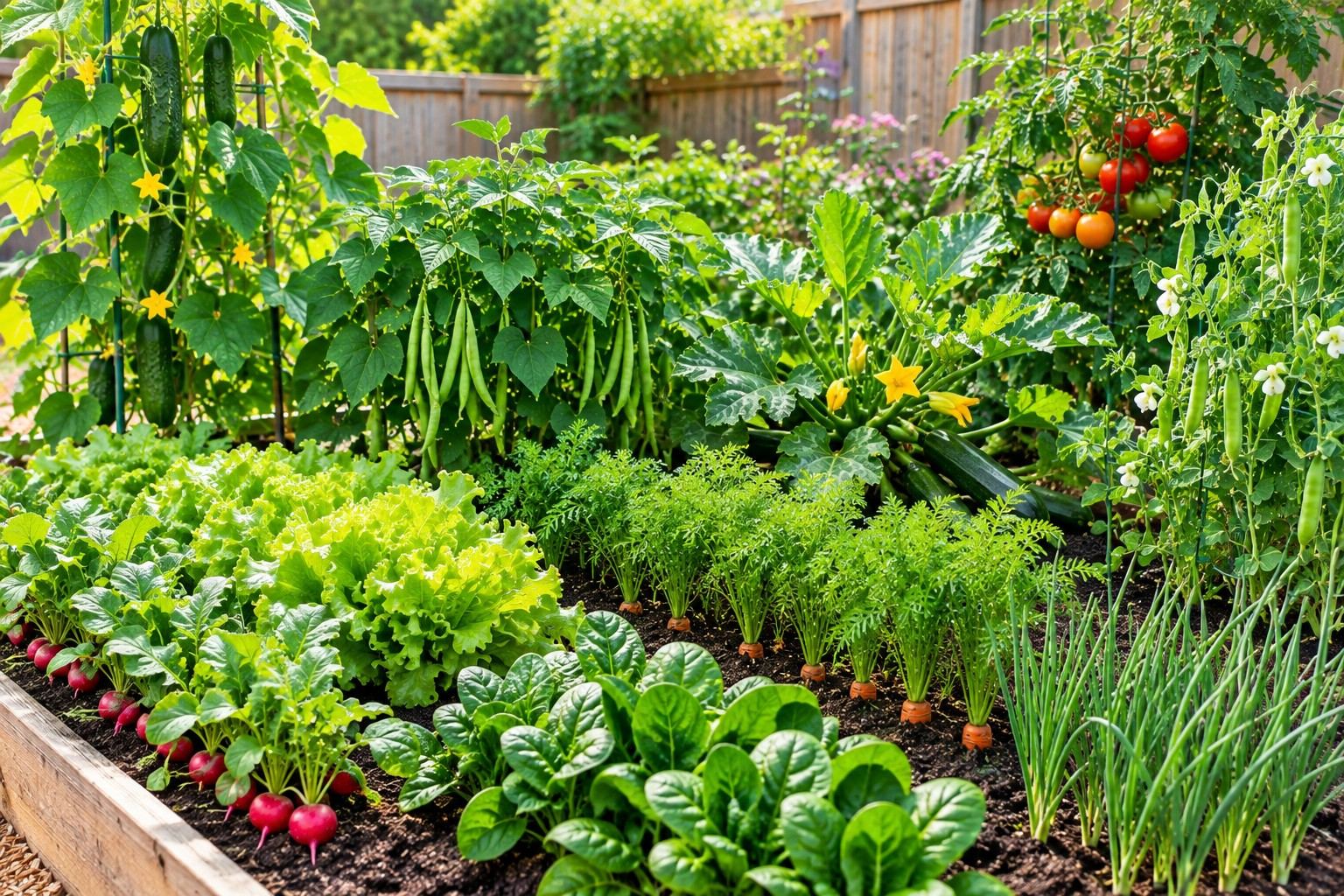
Starting a vegetable garden does not have to mean mastering every gardening technique at once. If you choose crops that tolerate ordinary beginner mistakes, match them to your climate, and give them suitable soil, light, and water, you can get useful harvests while learning as you go.
The key is not simply finding the vegetables labeled “easy.” A vegetable can be easy in one climate and frustrating in another. Radishes and lettuce, for example, are excellent cool-season choices, while beans, cucumbers, and tomatoes prefer warmer conditions. Extension guidance consistently recommends choosing crops suited to the season and growing conditions rather than relying on a universal planting calendar.
So, which easy vegetables to grow should a beginner try first? Here are practical choices for backyard gardens, raised beds, containers, balconies, and kitchen gardens, along with what to watch for as your plants develop.
1. Radishes: A Fast Start for Beginners
Radishes are among the easiest vegetables to grow for a new gardener because they grow quickly and can be direct-sown from seed. They prefer cool conditions, moist soil, and good drainage.
Sow the seeds directly into loose soil rather than starting them indoors. Keep the seedbed evenly moist while seedlings establish.
What to watch for: Seedlings should emerge fairly quickly. If plants become crowded, thin them according to the variety’s recommended spacing. Crowding can produce disappointing roots.
Harvest tip: Don’t leave mature radishes in the soil indefinitely. Texture and flavor are generally best when they are harvested at the appropriate size for the variety.
Best for: Containers, raised beds, small gardens, and cool-season gardening.
2. Leaf Lettuce: Ideal for Small Spaces
In easy vegetables to grow family, leaf lettuce is another beginner-friendly crop, particularly when you have limited space. It can tolerate some partial shade, although more light generally supports stronger growth. Leafy vegetables can often manage around 4–6 hours of sun, while fruiting crops usually require more.
Use a container with drainage holes and quality growing media, or sow directly into a prepared garden bed.
One useful beginner technique is succession planting: sow a small amount, then plant another small batch later rather than planting everything at once.
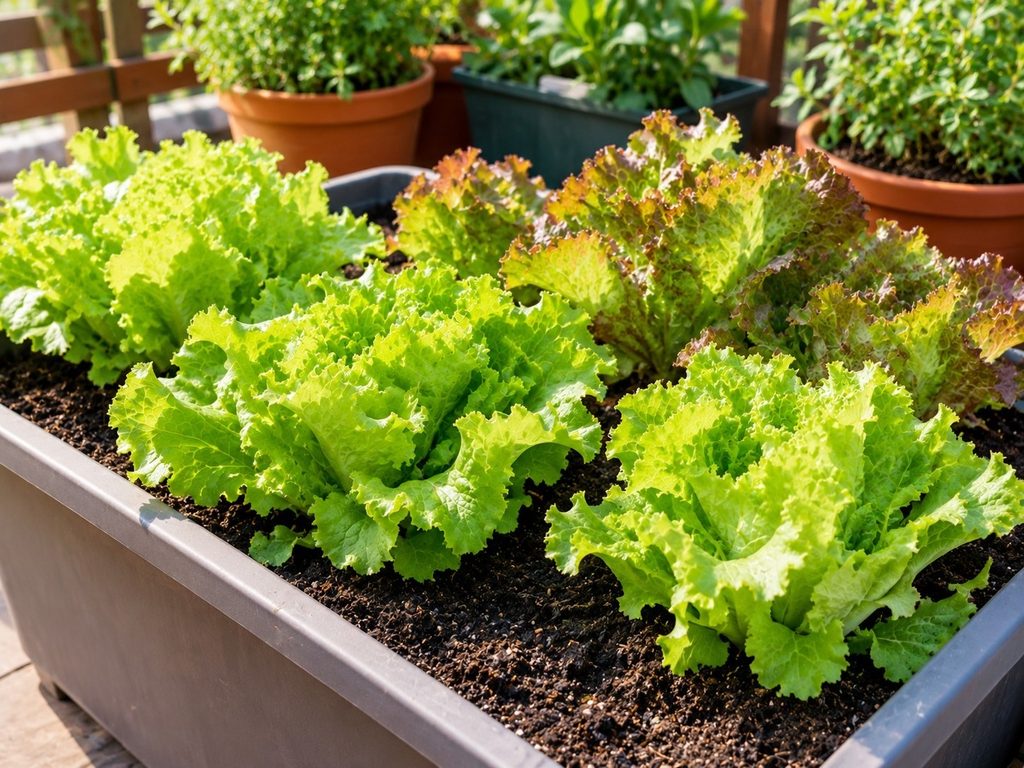
What to watch for: Thin, stretched plants usually indicate insufficient light. Bitter or stressed leaves can also develop when conditions become too hot.
3. Bush Beans: Simple and Productive
Bush beans are a good warm-season option for beginners. They are relatively compact compared with climbing beans and can fit well into backyard beds and larger containers.
Plant them after the risk of damaging cold has passed and provide a sunny location. Beans are among the warm-season crops commonly recommended for beginner gardens.
Beginner mistake: Planting too early. Beans are sensitive to frost, so follow your local seasonal conditions rather than copying dates from another region.
Harvest tip: Pick pods regularly when they are at the eating stage. Frequent harvesting encourages you to keep checking the plants and can help you enjoy a longer picking period.
4. Carrots: Easy Vegetables to Grow If the Soil Is Right
Carrots sound complicated because the edible part develops underground, but the basic requirements are straightforward: loose, reasonably fertile, well-drained soil and consistent moisture.
The biggest obstacle is often poor soil preparation. Stones, hard clumps, or compacted soil can interfere with root development.
For containers or raised beds, use a sufficiently deep, loose growing medium. Keep moisture consistent during germination and root development. Illinois Extension notes that inconsistent moisture during germination can reduce success.
What to watch for: Healthy carrot seedlings are initially tiny, so mark your rows clearly and remove competing weeds carefully.
5. Zucchini or Summer Squash: Great for a Sunny Garden
If you have plenty of space, zucchini can provide a very visible introduction to warm-season vegetable gardening.
It needs warmth, sunlight, adequate moisture, and room to expand. Summer squash is commonly included among relatively easy warm-season crops for beginner gardens.
The challenge is not usually getting the plant to grow—it is giving it enough room and remembering to check the plant regularly once fruit begins developing.
What to watch for: Large leaves and vigorous growth are normal. Inspect underneath leaves for insects and look closely at developing fruit for damage.
6. Cucumbers: Easy With Support
Cucumbers are particularly useful when you want to make a small garden more productive vertically. A trellis, fence, or other suitable support can keep vines off the ground and make harvesting easier.
Vertical cropping is a recognized space-saving technique for crops including cucumbers, peas, and beans.
Give cucumbers plenty of sunlight and regular moisture.
Container tip: Choose a container large enough to support the plant and its root system, and provide a sturdy trellis before the vine becomes difficult to manage.
7. Tomatoes: Rewarding but Slightly More Demanding
Tomatoes are popular with beginners for an obvious reason: few things make a vegetable garden feel more productive than picking a ripe tomato you have grown yourself.
However, tomatoes are not completely maintenance-free. They need warmth, sunlight, adequate water, suitable soil, and support depending on the variety.
Fruiting vegetables such as tomatoes generally need substantial direct sunlight; extension guidance commonly recommends roughly 6–8 hours or more for fruit-producing crops.
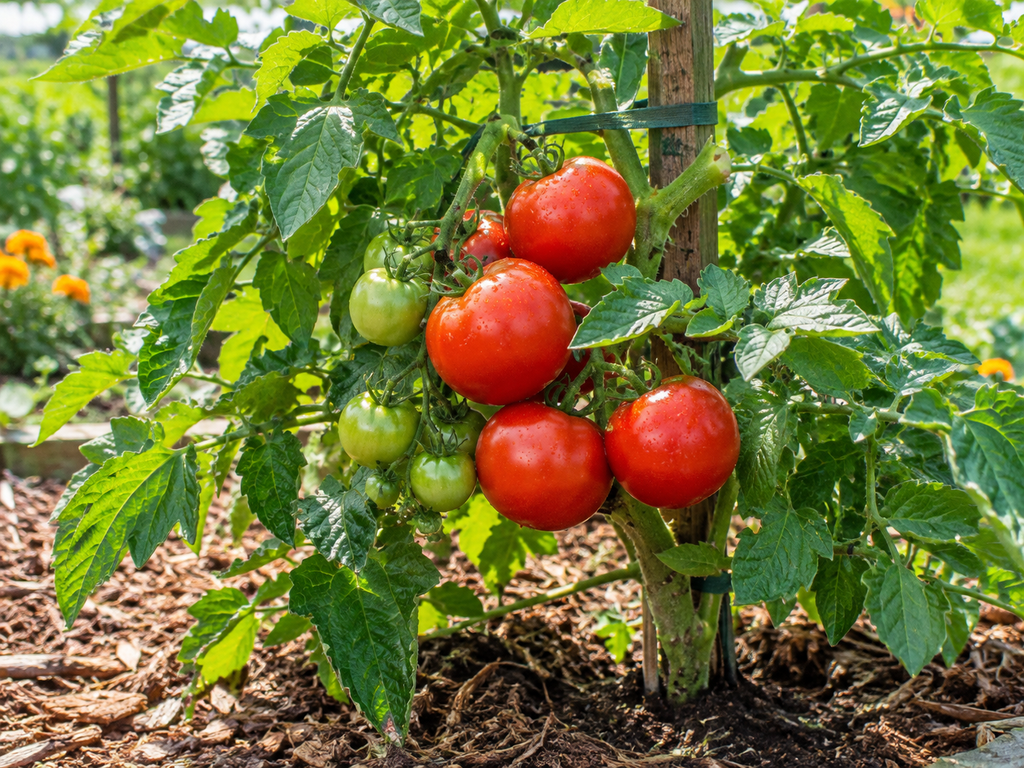
What to watch for: Pale, stretched growth can indicate inadequate light. Yellowing or damaged leaves should prompt you to inspect watering, nutrition, pests, and disease rather than immediately adding fertilizer.
8. Spinach: Excellent for Cooler Conditions
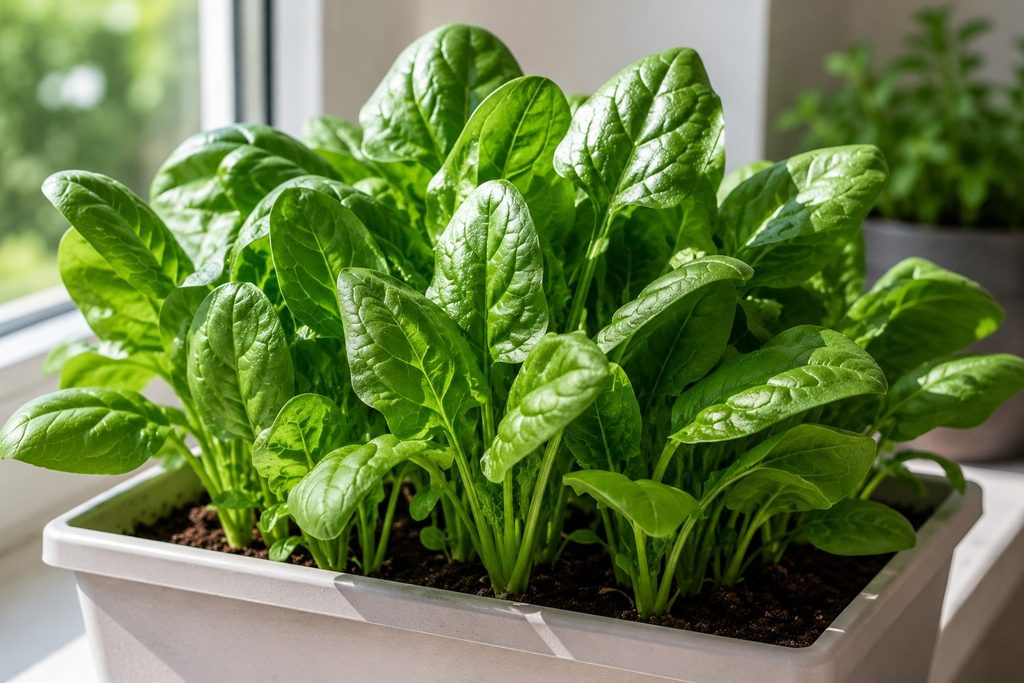
Spinach is a useful cool-season vegetable for beginners, especially if you want something that can be harvested for its leaves.
Like lettuce, spinach can tolerate less sunlight than many fruiting crops, making it useful where a garden receives some afternoon shade.
Keep the soil consistently moist while seeds establish and harvest leaves as appropriate for the variety.
Climate warning: In hot weather, spinach can struggle and may quickly become less productive. In warm climates, grow it during the cooler part of the year instead.
9. Peas: A Good Cool-Season Choice
Peas are another relatively straightforward crop when planted during suitable cool weather. They can also be grown vertically, which makes them useful for gardens where horizontal space is limited.
Give climbing varieties an appropriate support structure and avoid waiting until the weather is already too hot.
What to watch for: Healthy vines should steadily produce new growth and attach themselves to available support. Weak, sparse growth can indicate unsuitable light or growing conditions.
10. Green Onions: Small-Space Friendly
Green onions are particularly useful for container gardeners and people who have only a small sunny growing area.
They do not require a large garden bed, and they can fit alongside other crops. Illinois Extension specifically identifies green onions, radishes, lettuce, and herbs as possibilities for small-space growing.
They are also useful when you want a crop that can be harvested in small amounts rather than requiring a large one-time harvest.
Choosing Easy Vegetables to Grow for Your Garden
“Easy” does not mean “requires no care.” The easiest vegetables generally have a manageable combination of:
- Seeds that are simple to sow
- Tolerance of ordinary garden conditions
- Relatively straightforward watering needs
- Few complicated pruning requirements
- Useful harvests without highly specialized equipment
- A good fit for your growing season
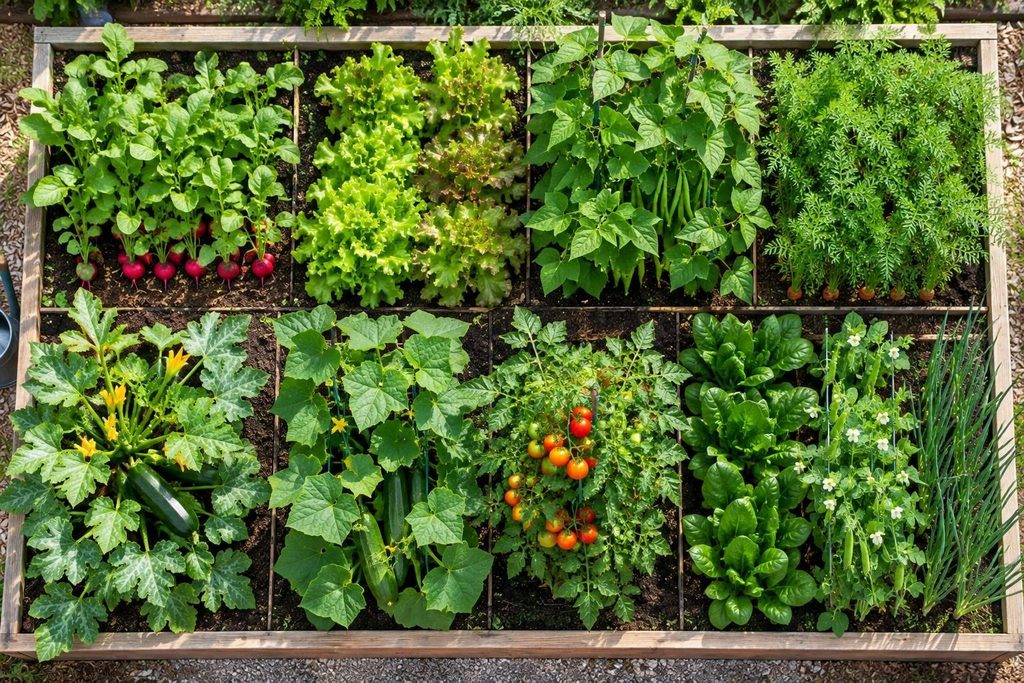
The most important factor is matching the crop to your conditions. When choosing easy vegetables to grow, consider your local climate, the current season, available sunlight, soil quality, and growing space. A vegetable that thrives in cool spring weather may struggle during a hot summer, while a warm-season crop may fail if planted too early.
Start With the Soil, Not the Fertilizer
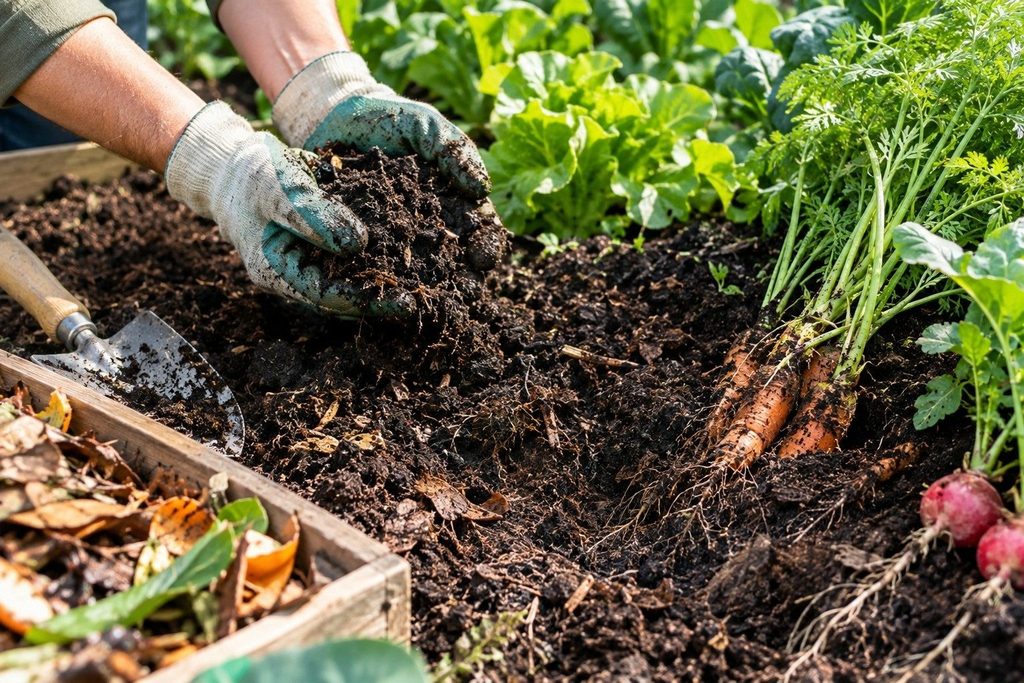
Before planting, examine your soil.
Vegetables generally perform best in deep, fertile, well-drained soil containing adequate organic matter.
The soil should be loose enough for roots to expand but should still retain enough moisture to support growth.
If you’re using containers, use a suitable container growing medium rather than simply filling a small pot with heavy garden soil.
And avoid the beginner temptation to add fertilizer whenever a plant looks unhappy. Yellow leaves, weak growth, or poor production can have several causes. First, check light, watering, drainage, pests, disease, and the plant’s stage of growth.
How Much Sunlight Do You Need for Easy Vegetables to Grow?
This depends on the vegetable.
Lettuce and spinach can tolerate some partial shade. Fruiting crops such as tomatoes, cucumbers, and squash generally need considerably more direct sunlight.
Before planting, observe your garden rather than guessing. A spot that looks sunny in the morning may be shaded later in the day by a wall, tree, or building.
Water Deeply—but Don’t Keep Roots Constantly Wet
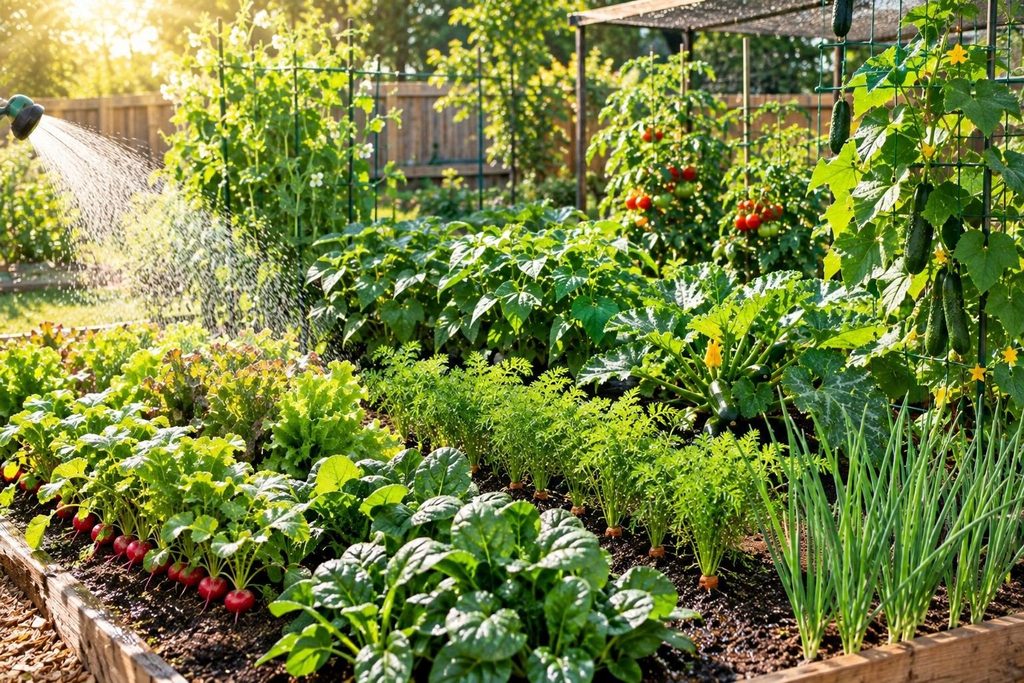
New gardeners often swing between two extremes: letting plants become extremely dry or watering them constantly.
Both can cause problems.
Check the soil instead of following a fixed daily watering schedule. Weather, container size, soil type, plant size, and growth stage all affect how quickly moisture disappears.
For seedlings, watch particularly carefully. Young plants have small root systems and can dry out quickly, while constantly saturated roots can lack adequate oxygen.
When possible, water near the root zone rather than repeatedly wetting foliage.
The Easiest Way to Avoid Pest and Disease Problems
Don’t wait until a plant is covered with insects.
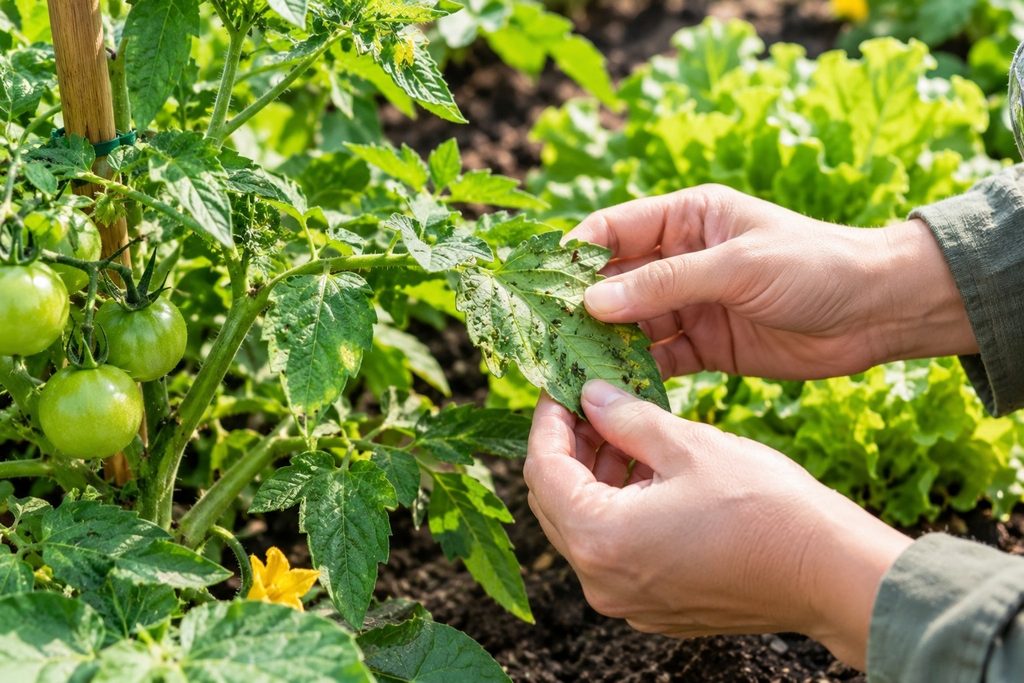
Make a habit of checking your plants regularly. Look underneath leaves, inspect new growth, and examine stems and developing vegetables.
Also look at the overall plant:
- Are new leaves developing normally
- Is growth unusually weak
- Are leaves curling or developing spots
- Are insects clustered around tender growth
- Is the soil staying wet for too long
- Is the plant receiving enough light
Good airflow, suitable spacing, healthy soil, and appropriate watering can reduce many common problems.
A Simple Beginner Vegetable Garden Plan
If you’re completely new to vegetable gardening, don’t plant ten crops at once.
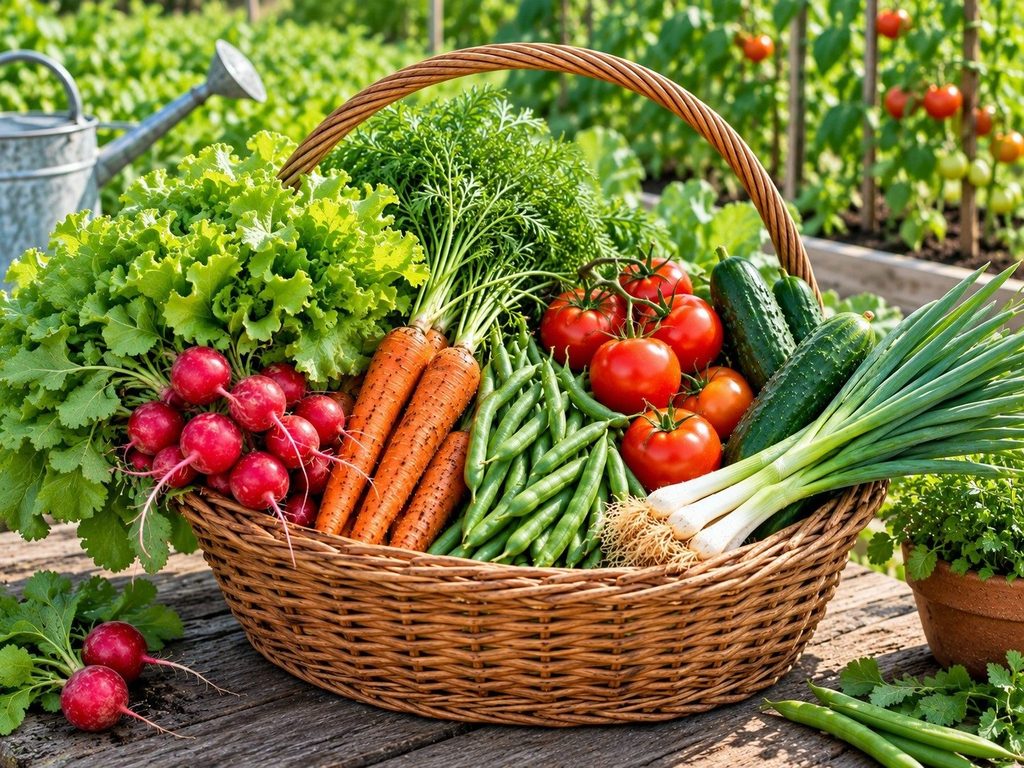
Start with three or four vegetables that suit your current season. Starting with a few easy vegetables to grow can help you learn how to manage watering, sunlight, spacing, and harvesting before expanding your garden.
For example:
Cool season:
Radishes + lettuce + spinach + peas
Warm season:
Bush beans + cucumber + zucchini + tomato
For a balcony or patio, begin with containers of lettuce, radishes, green onions, herbs, or a compact tomato variety.
Once you understand how sunlight moves across your space, how quickly containers dry, and how your local weather affects growth, expand gradually.
Conclusion
Saying a vegetable is easy to grow doesn’t mean it needs no care. The best easy vegetables to grow are those that match your season, climate, available sunlight, soil, space, and gardening experience.
Radishes, lettuce, spinach, carrots, green onions, and peas are useful cool-season choices, while bush beans, cucumbers, zucchini and tomatoes can work well during suitable warm weather. Extension recommendations likewise emphasize selecting crops according to season and growing conditions rather than treating one planting schedule as universal.
Start small, observe your plants, and learn from what they show you. A garden becomes much easier when you stop treating every problem as a mystery and start reading the signs in the leaves, soil, and new growth.
FAQs
1. Which vegetables are easiest for beginner growers?
Radishes, lettuce, green onions, spinach, bush beans, and carrots are good starting points. The best choice depends on your season, climate, sunlight, and available space.
2. What vegetables grow quickly?
Radishes are particularly fast-growing, although the exact harvest time depends on variety and growing conditions. Lettuce, some leafy greens, and certain beans can also provide relatively quick harvests.
3. What vegetables can I grow in containers?
Lettuce, radishes, green onions, herbs, carrots, and suitable tomato varieties can work well in containers. Choose a container appropriate to the crop and make sure it has adequate drainage.
4. What vegetables are easiest to grow in hot weather?
Warm-season crops such as beans, cucumbers, zucchini, and tomatoes generally perform better in warm conditions than cool-season crops. However, extreme heat can still stress plants, so local climate and seasonal timing matter.
5. How often should I water a vegetable garden?
There is no universal daily schedule. Check the soil and consider rainfall, temperature, soil type, container size, and plant growth stage. Young plants require particular attention because their small root systems can dry out quickly.
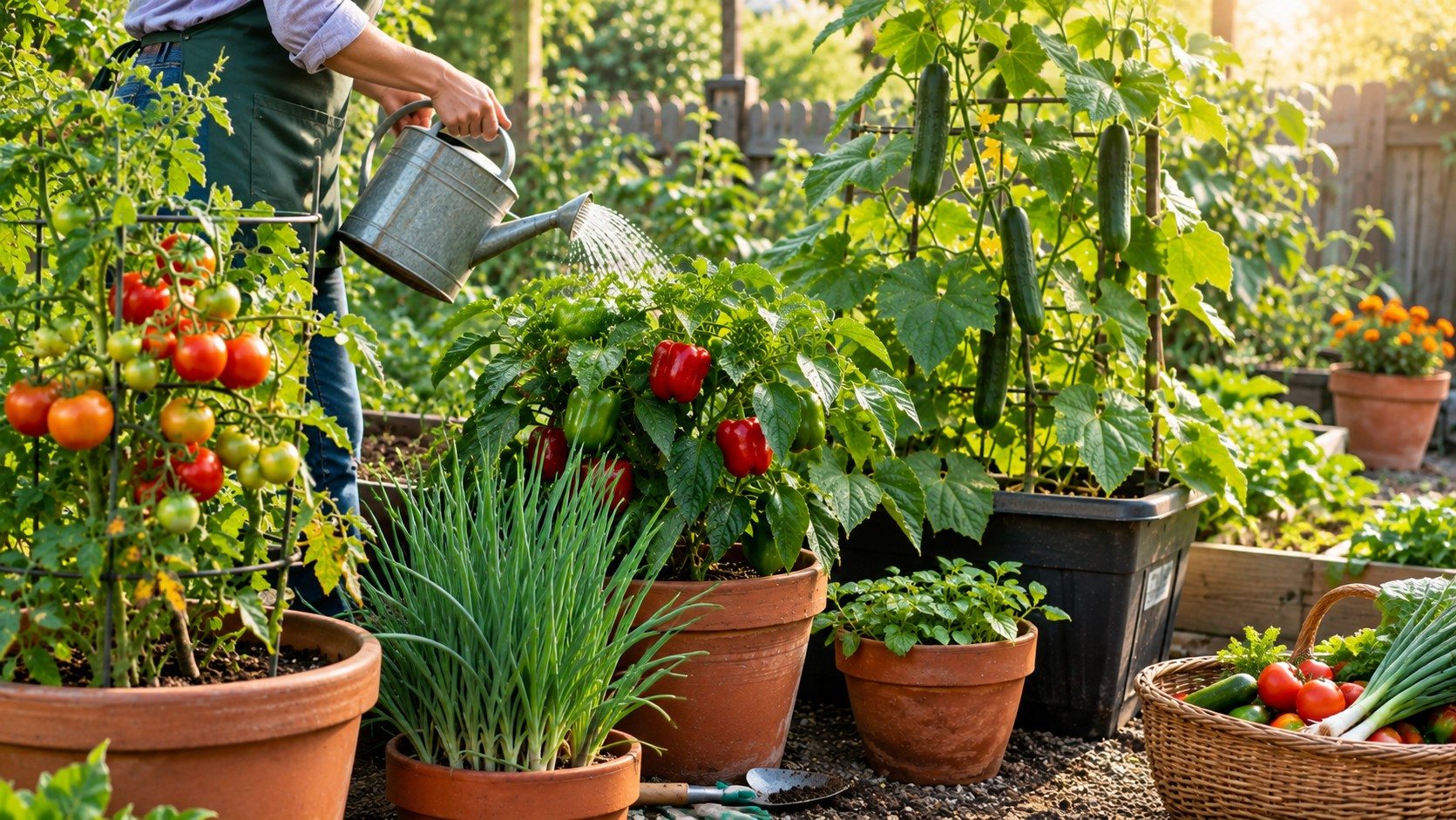
Home vegetable gardening is a practical way to grow fresh produce, make better use of outdoor or indoor space, and understand where your food comes from. Whether you have a backyard, a small balcony, a sunny windowsill, or a few containers, you can start growing vegetables without creating a large or expensive garden.
The secret is to match your vegetables to your available sunlight, climate, growing space, and soil conditions. Beginners often struggle because they plant too many crops at once, water on a rigid schedule, or choose vegetables that do not suit their season. A simpler approach usually works better: start with a few suitable crops, observe how they grow, and expand as you gain confidence.
This guide explains how to plan a home vegetable garden, prepare healthy soil, choose seeds, water and feed plants correctly, prevent common problems, and harvest vegetables at the right stage.
What Is Home Vegetable Gardening?
Home vegetable gardening means growing edible plants at home for personal use, whether in the ground, raised beds, pots, grow bags, or other suitable containers. It can include leafy greens, root vegetables, fruiting crops, and culinary herbs.
A successful garden does not need to be large. A sunny balcony with containers of lettuce, coriander, and bush beans can be productive, just as a backyard garden with tomatoes, carrots, and leafy greens can be.
The best home vegetable gardening setup fits your space, available time, local weather, and preferred vegetables.
3. How to Start Home Vegetable Gardening
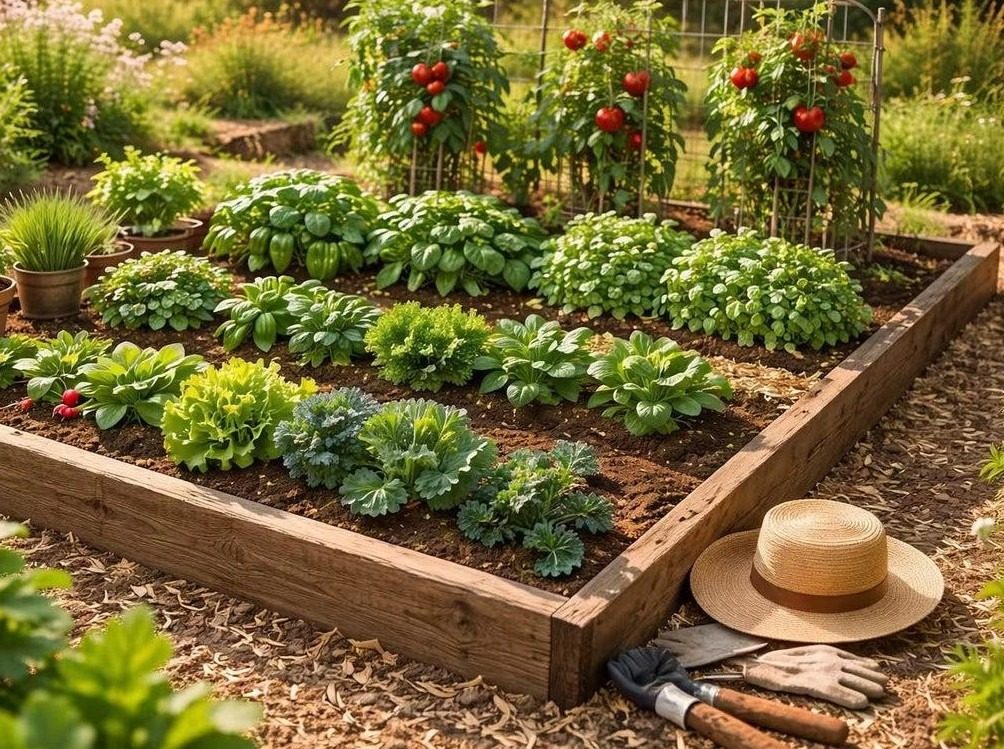
1. Choose the Right Location
Most fruiting vegetables, including tomatoes, peppers, cucumbers, and beans, need around six to eight hours of direct sunlight to produce well, while leafy greens such as lettuce and spinach can often tolerate partial shade, especially in warmer climates.
Before planting, observe your space throughout the day. Buildings, walls, and trees may block sunlight even when an area looks bright.
- Backyard: Choose a reasonably level, sunny area with convenient access to water.
- Balcony: Use stable containers and check weight limits, drainage, and wind exposure.
- Raised beds: Consider them when the native soil drains poorly or is difficult to improve.
- Indoor spaces: Choose crops suited to available light; many vegetables need strong sunlight or supplemental grow lights.
In very hot climates, afternoon shade can help protect heat-sensitive crops, although fruiting vegetables still need sufficient light.
2. Select Vegetables Suited to Your Climate
The right crops depend on temperature, season, available space, and the length of your growing period.
Good choices for beginners include:
- Radishes: Relatively quick-growing root vegetables that suit cool conditions.
- Leaf lettuce: Useful for repeated leaf harvests in suitable temperatures.
- Spinach: Best suited to cooler weather; heat can cause early flowering.
- Bush beans: Productive in suitable warm weather and do not require tall trellises.
- Green onions: Suitable for many small gardens and containers.
- Tomatoes: A popular choice for sunny spaces with adequate root room and support.
- Coriander and basil: Useful herbs for kitchen gardens, provided temperatures suit the variety.
Check a locally appropriate planting calendar or seed packet before sowing. A vegetable that thrives in one region may struggle in another because of heat, frost, humidity, or day length.
3. Prepare Healthy Soil
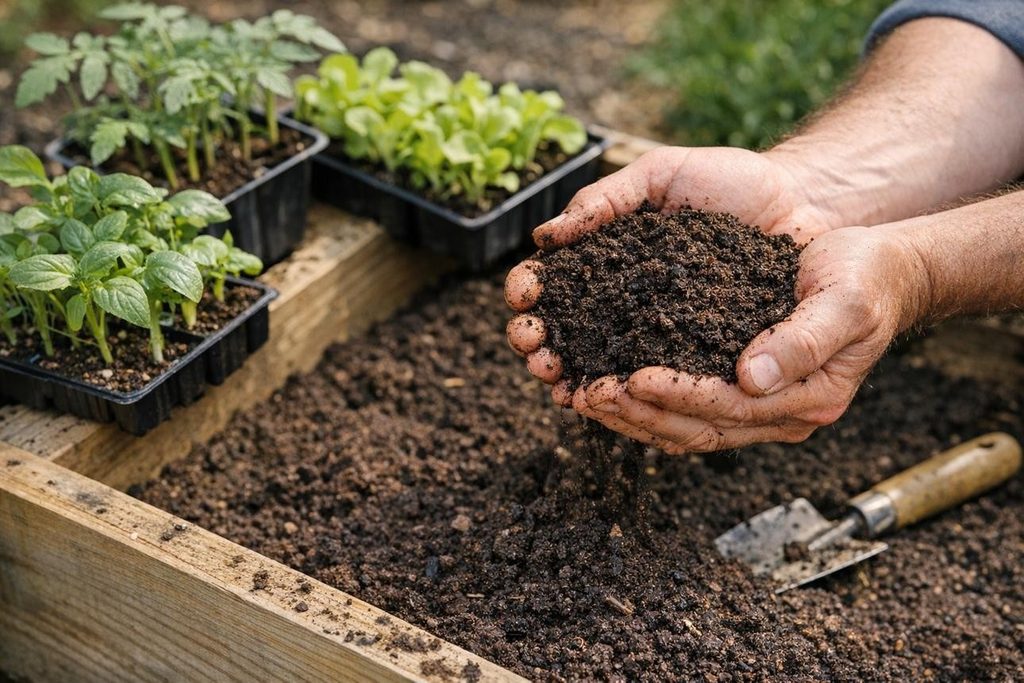
Healthy soil supports root development, holds moisture, supplies nutrients, and allows excess water to drain. Many vegetables grow well in loose, fertile soil rich in organic matter, but the ideal soil texture varies by crop.
For an in-ground garden, remove weeds and mix in mature compost when needed. Avoid working soil when it is saturated, because this can compact the soil and damage its structure.
For containers, use a quality potting mix designed for container plants rather than relying on heavy garden soil alone. Containers need drainage holes so roots are not left sitting in water.
If plants repeatedly show poor growth despite suitable watering and feeding, consider a soil test before adding more fertilizer. Soil pH and nutrient availability can affect plant health.
4. Plant Seeds at the Correct Depth and Spacing
Follow the seed packet for sowing depth, spacing, and recommended planting season. Small seeds generally need shallower sowing than larger seeds, and some seeds need light to germinate.
Keep the seed-starting medium evenly moist, not saturated. Once seedlings emerge, provide adequate light and thin crowded plants where necessary. Crowding limits airflow, increases competition, and can produce smaller vegetables.
Some crops, including radishes, carrots, beans, and many leafy greens, can be sown directly where they will grow. Tomatoes and peppers are often started in trays and transplanted when seedlings are strong, and conditions are suitable.
4. Watering and Fertilizing Your Home Vegetable Gardening Setup

How Often Should You Water?
There is no single watering schedule that works for every garden. Soil type, container size, plant maturity, rainfall, wind, and temperature all affect how quickly soil dries.
Instead than relying solely on the surface, look for moisture close to the root zone. If the soil is dry where the roots are growing, water thoroughly; if it is still wet, wait and check again later.
- Water gently around the roots to reduce soil splash.
- Water early in the day when practical.
- In hot or windy conditions, check containers more often.
- Avoid leaving pots in standing water.
- Apply organic mulch, such as clean shredded leaves or suitable straw, to reduce evaporation while keeping mulch away from plant stems.
Overwatered plants may develop yellowing leaves, persistently wet soil, or soft roots. Underwatered plants may wilt and have dry, crumbly soil. However, wilting can also occur during extreme heat, even when the soil is moist, so check before adding more water.
When Should You Fertilize?
Use fertilizer or compost in accordance with the needs of the crop after starting with a suitable soil or potting mix. Leafy vegetables and fruiting crops do not always require the same nutrient balance.
Follow product-label rates and avoid applying fertilizer directly against stems or roots at concentrated levels. Too much nitrogen can encourage lush leafy growth at the expense of flowers or fruit in some crops.
Compost can improve soil structure and contribute nutrients, but it does not automatically supply every nutrient in the right amount. Use soil testing and plant growth observations to guide further feeding.
5. Protect Plants From Pests, Diseases, and Weather
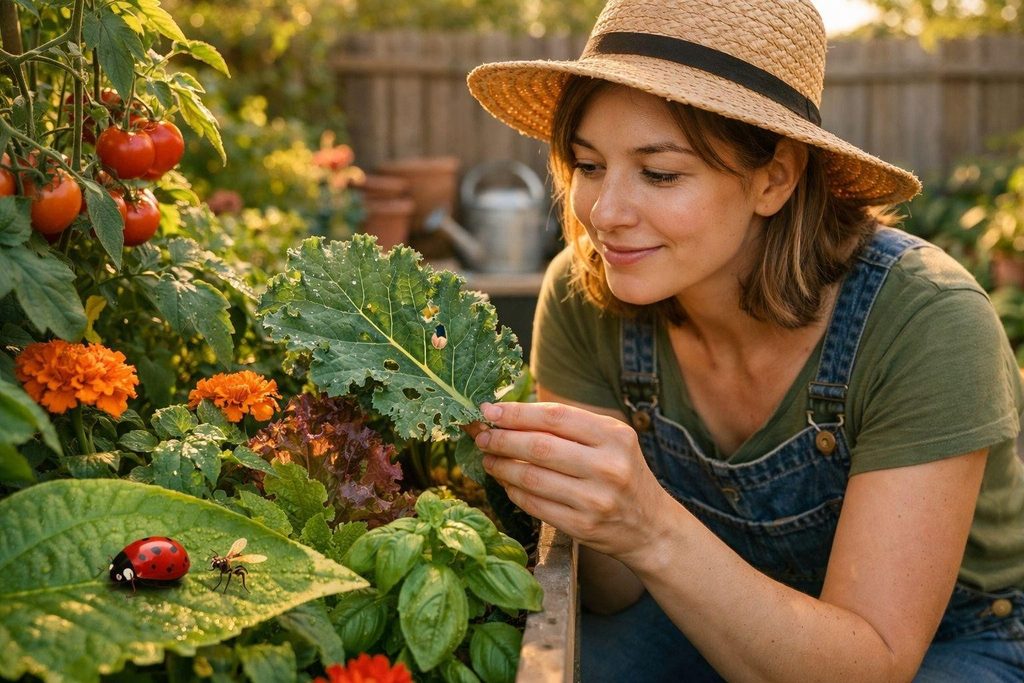
Inspect plants regularly, especially the undersides of leaves and tender new growth. Look for holes, curled leaves, sticky residue, unusual spots, webbing, or clusters of small insects.
A few practical habits help prevent many problems:
- Space plants according to their mature size to improve airflow.
- Remove severely diseased leaves and dispose of them appropriately.
- Use trellises or stakes for crops that need support.
- Rotate crop families between beds when space allows.
- Remove weeds that compete for water and nutrients.
- Use physical barriers, hand-picking, or suitable pest controls when needed.
Before beginning any treatment, identify the ailment or pest. Neem-based products and other pesticides are not automatically harmless; follow the label, protect pollinators, and observe any harvest interval.
Weather matters, too. During heat waves, protect sensitive plants or crops from harsh afternoon sun and check root-zone moisture more often. In cold weather, use frost protection for sensitive plants; use suitable row covers or other protection when frost threatens, while ensuring plants receive adequate ventilation.
6. Maintain Your Garden and Harvest at the Right Time
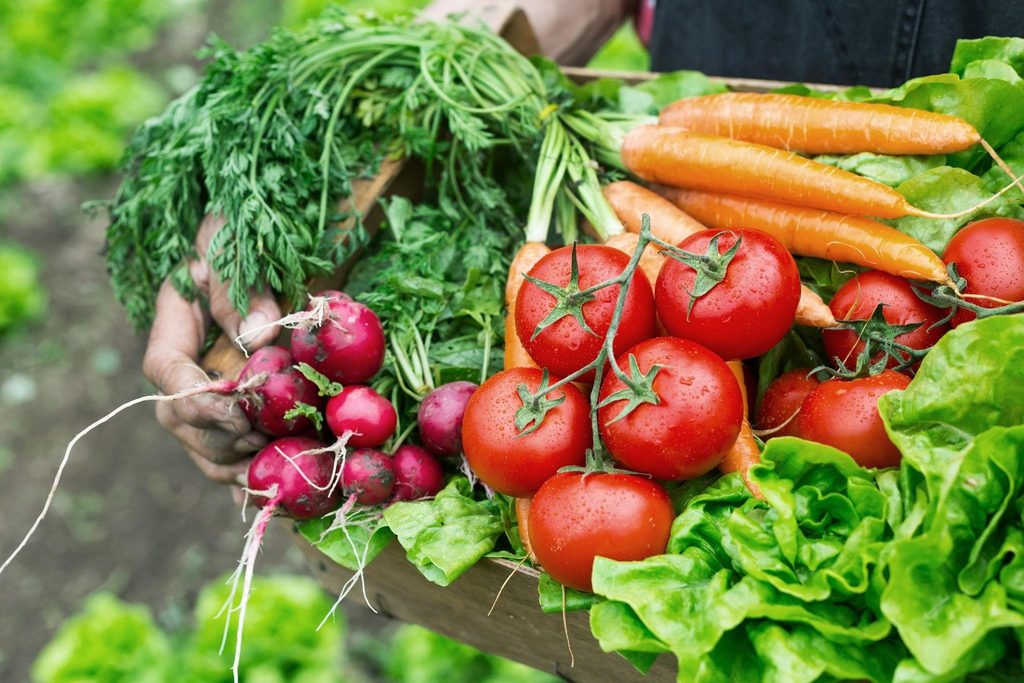
A short, regular garden check is often more useful than waiting until plants look unhealthy. Keep an eye out for evidence of flowering or fruit development, weeds, pest damage, new growth, and soil moisture.
Harvest vegetables when they reach the size and maturity recommended for their variety. Radishes can become woody or overly sharp if left too long; leafy greens may become bitter or bolt in hot weather; and beans are often most tender when picked before the seeds become prominent.
Use clean scissors or garden tools where appropriate, and avoid pulling roughly on plants that are still producing. Harvesting mature beans, tomatoes, and other fruiting crops regularly can encourage continued production when conditions remain suitable.
For a steady supply, sow small batches of suitable quick-growing crops at intervals instead of planting everything on one day. This practice is called succession planting.
7. Common Home Vegetable Gardening Mistakes to Avoid
- Planting too much at once: Begin with a few crops and learn their needs.
- Ignoring sunlight: Match crops to the actual light your space receives.
- Using unsuitable container soil: Choose a well-draining potting mix.
- Watering by habit alone: Check moisture before watering.
- Overfertilizing: Follow label directions and consider soil needs.
- Planting in the wrong season: Check local temperatures and planting guidance.
- Ignoring early warning indicators: Regularly check the soil, leaves, and stems.
The most useful habit is to observe before making changes. Yellow leaves, slow growth, and wilting can have several causes, so check moisture, light, roots, pests, and recent weather rather than assuming every problem needs fertilizer.
Conclusion: Build a Home Vegetable Gardening Routine That Works
Successful home vegetable gardening begins with a manageable plan, suitable vegetables, healthy growing media, and regular observation. Start with a few crops that match your climate and sunlight, water according to soil moisture, and check plants for changes in growth or signs of stress.
As you learn which vegetables perform best in your space, add new varieties and try succession planting to extend your harvest. Whether you grow vegetables in a backyard bed, containers, or a small kitchen garden, consistency and careful observation will help you improve with every growing season.
FAQs
1. How do I start home vegetable gardening for beginners?
Choose a sunny location, select two or three vegetables suited to your season, prepare well-draining soil or potting mix, and follow seed-packet instructions. As plants grow, check their moisture levels frequently and look for pests.
2. Can I grow vegetables at home without a backyard?
Yes. You can grow many vegetables in pots, grow bags, troughs, and balcony planters. Radishes, leafy greens, herbs, dwarf beans, and suitable tomato varieties are useful options. Choose containers with drainage holes and enough root space.
3. How much sunlight does a home vegetable garden need?
Many fruiting vegetables perform best with around six to eight hours of direct sunlight daily. Some leafy vegetables tolerate partial shade, particularly in warm weather. Check the needs of each crop and observe how sunlight moves across your growing area.
4. How frequently should a home garden’s veggies be watered?
Water when the soil begins to dry at the root level, adjusting for the crop, soil, weather, and container size. Keep newly sown seeds consistently moist, but avoid waterlogging. Containers may need more frequent checks during hot weather.
5. What is the easiest vegetable to grow at home?
Radishes, leafy greens, green onions, and bush beans can be good beginner choices when planted in the right season. The easiest crop depends on your climate, available sunlight, and growing space.

11 Summer Vegetables to Grow for a Productive Garden

How to Grow Vegetables Indoors

Easy Vegetables to Grow:10 Beginner-Friendly Vegetables

Home Vegetable Gardening: How to Grow Fresh Vegetables at Home

Organic Vegetables: Growing, Benefits, and Fresh Produce

Kitchen Garden: How to Plan, Plant, and Grow Fresh Food at Home

Winter Vegetables: A Beginner’s Guide to Growing, Caring for, and Harvesting Winter Crops
Home Vegetable Gardening: How to Grow Fresh Vegetables at Home
Organic Vegetables: Growing, Benefits, and Fresh Produce
Easy Vegetables to Grow:10 Beginner-Friendly Vegetables
-
 Kitchen Gardening1 week ago
Kitchen Garden: How to Plan, Plant, and Grow Fresh Food at Home
-
 Seasonal Vegetable Gardening6 days ago
Winter Vegetables: A Beginner’s Guide to Growing, Caring for, and Harvesting Winter Crops
-
 Growing Vegetables4 days ago
Home Vegetable Gardening: How to Grow Fresh Vegetables at Home
-
 Growing Vegetables3 days ago
Easy Vegetables to Grow:10 Beginner-Friendly Vegetables
-
 Growing Vegetables2 days ago
How to Grow Vegetables Indoors
-
 Seasonal Vegetable Gardening7 hours ago
11 Summer Vegetables to Grow for a Productive Garden