Seasonal Vegetable Gardening
Winter Vegetables: A Beginner’s Guide to Growing, Caring for, and Harvesting Winter Crops


Winter does not have to mean an empty vegetable garden. Many winter vegetables actually grow best when temperatures are cooler, making the colder months an excellent time for leafy greens, roots, brassicas, peas, onions, garlic, and herbs. The challenge is choosing crops that suit your climate and planting them early enough to establish before the coldest weather arrives.
A successful winter garden starts with timing rather than simply sowing seeds when winter begins. In some climates, winter crops are planted in late summer or autumn so they are already established when growth slows. In warmer regions, the planting window may extend further into the cool season. Local temperatures, frost risk, day length, soil drainage, and the variety you choose all affect results.
This guide explains which winter vegetables to grow, how to prepare the soil, when to plant, how to protect plants, and what to watch for throughout the season.
Best Winter Vegetables to Grow
The best winter vegetables are generally crops that tolerate cool temperatures and can continue producing, or remain harvestable, when growth slows.

Leafy Winter Vegetables
Leafy crops are among the easiest choices for a winter garden. Consider:
- Spinach
- Lettuce
- Mustard greens
- Kale
- Swiss chard
- Coriander
- Parsley
- Rocket or arugula
- Mâche or corn salad
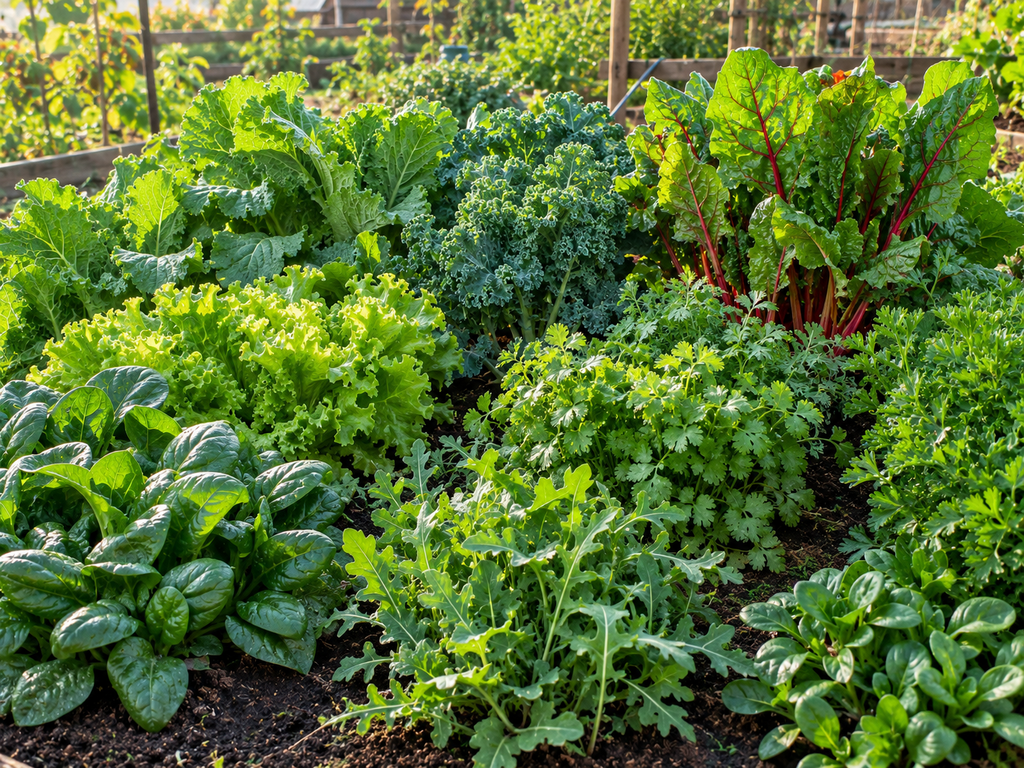
Kale is particularly valuable because it is highly cold tolerant and can provide leaves from autumn through winter and into spring in suitable climates. Hardy lettuce varieties can also be grown for winter harvests with appropriate protection.
Root Winter Vegetables
Root crops can make excellent winter season vegetables, provided the soil is loose enough for the roots to develop.
Good choices include:
- Carrots
- Radishes
- Beetroot
- Turnips
- Parsnips

Carrots, turnips, and other root crops need soil without large stones or compacted layers. Heavy rain after a dry period can also contribute to root splitting, so maintaining reasonably consistent soil moisture is important.
Brassicas

The cabbage family contains many dependable winter vegetables, including:
- Cabbage
- Broccoli
- Brussels sprouts
- Kale
- Cauliflower
- Kohlrabi
Some brassicas are exceptionally hardy, but they often require planning because larger plants may take several months to mature. Winter-hardy varieties are therefore more useful than simply choosing any variety of the same vegetable.
Peas, Onions, Garlic, and Herbs
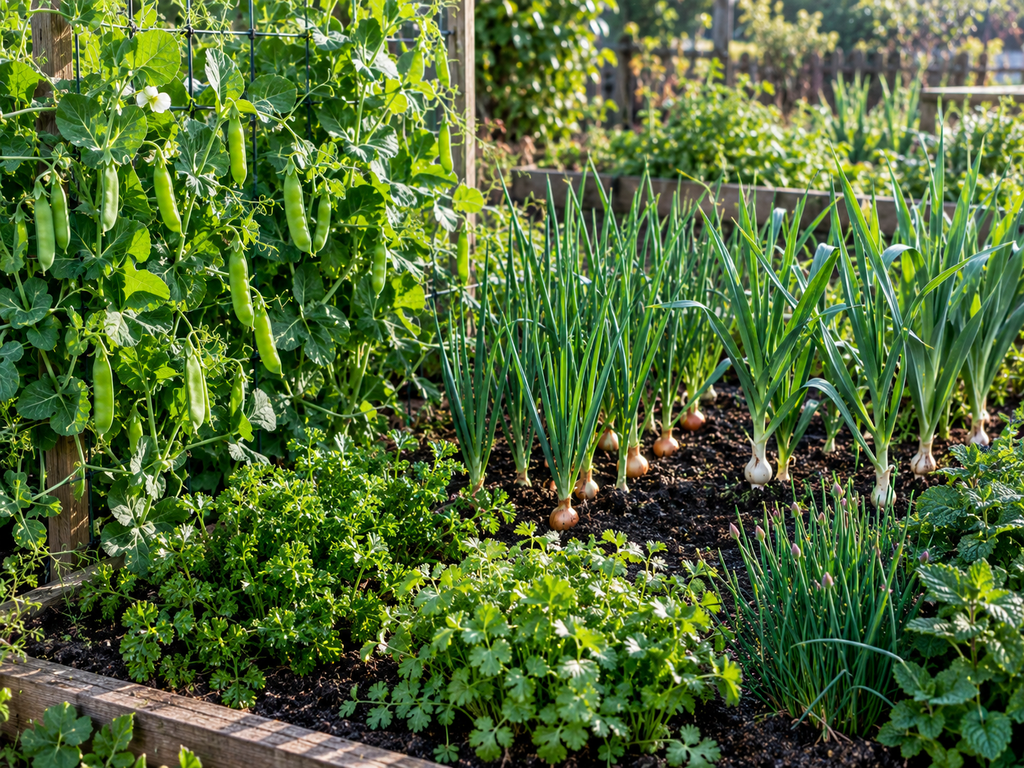
Green peas and broad beans can suit cool conditions, while onions and garlic can be useful additions to a winter garden when planted at the appropriate time for the local climate.
For herbs, consider parsley, coriander, thyme, dill, chives, mint, and similar cool-season choices.
When to Plant Winter Vegetables
No single planting date works for winter vegetables worldwide.
The correct time depends on your local climate, frost pattern, crop, variety, and whether you are growing for an autumn, winter, or early-spring harvest.
A useful principle is:
Plant winter crops early enough to establish healthy roots and leaves before the season’s coldest or darkest period.
In climates with cold winters, many winter crops are started during late summer or early autumn. RHS guidance, for example, recommends planning hardy winter crops months ahead because crops such as kale, winter cabbage, leeks, and sprouting broccoli require substantial time to mature.
How to Prepare Soil for Winter Vegetables
Good soil preparation makes winter gardening much easier.
Start with soil that is:
- Well drained
- Free of large clods and stones
- Rich in organic matter
- Loose enough for roots to expand
- Free from persistent weeds
Mix in mature compost or other well-decomposed organic material before planting. For carrots, radishes, beetroot, and other root crops, avoid creating a hard or compacted growing layer.
Do not assume that applying more fertilizer would result in faster growth. During cool weather, plant growth naturally slows. Excessive feeding can encourage soft leafy growth rather than healthy, balanced plants.
For container-grown winter vegetables, use containers with drainage holes and a growing medium that does not remain saturated after watering.
How Much Sunlight Do Winter Vegetables Need?
The majority of winter veggies thrive in bright areas with lots of direct sunlight.
Shorter days naturally reduce growth during winter, so placing plants where they receive the strongest available light can make a noticeable difference. Avoid locations shaded by walls, buildings, or evergreen trees for much of the day.
If your garden receives limited winter sunlight, prioritize crops that tolerate cooler, lower-growth conditions rather than expecting warm-season vegetables such as tomatoes, peppers, or cucumbers to perform normally.
Watering Winter Vegetables
Winter soil usually loses moisture more slowly than soil in hot weather, so watering should be based on actual soil conditions rather than a fixed summer schedule.
Examine the soil surrounding the root zone before applying water.
If the surface looks dry but the soil underneath is still moist, additional water may not be necessary. On the other hand, prolonged dryness can stress young plants.
Soil that is continuously damp but not soggy is the aim.
Poor drainage is especially troublesome during cool weather because saturated soil can remain wet for extended periods and create unfavorable conditions around roots.
Protecting Winter Vegetables From Cold

Not every winter garden requires a greenhouse. Protection can range from simple covers to more substantial structures.
Useful options include:
- Fleece or frost cloth
- Cloches
- Cold frames
- Low tunnels
- Polytunnels
- Mulch around suitable root crops
RHS guidance recommends protecting vulnerable leafy crops with cloches or fleece, while more severe climates may require cold frames or other season-extending structures.
Protection should also match your climate. A gardener in a mild winter region may need only light protection, while someone facing repeated hard freezes may need a more substantial structure.
Remember that winter protection is not just about temperature. Covers can also reduce exposure to wind and heavy rain and protect crops from some pests.
Common Winter Vegetable Problems
Cold weather does not eliminate garden pests and diseases.
Slugs and Snails
These can damage young seedlings and leafy crops, particularly where conditions remain damp.
Caterpillars and Other Brassica Pests
Cabbage, broccoli, kale, and related crops can attract caterpillars and other brassica pests. Fine insect netting can reduce access to plants.
Birds
Birds may damage young leafy crops and brassicas. Netting can be useful where bird pressure is significant.
Overwatering
One of the easiest mistakes is watering winter crops as frequently as summer crops. Check the soil first.
Poor Airflow
Crowded plants and persistently wet foliage can increase disease problems. Give plants appropriate spacing and avoid keeping protective covers closed when ventilation is needed.
Crop rotation is also useful for reducing the buildup of certain crop-specific pests and diseases, including problems associated with brassicas.
How to Maintain Winter Vegetables
Once your winter vegetables are established, maintenance is relatively simple.
Check the garden regularly for:
- Soil moisture
- Pest damage
- Yellowing or damaged leaves
- Weed growth
- Frost or cold-weather damage
- Signs that protective covers need ventilation
- Plants becoming overcrowded
Remove badly damaged leaves when appropriate and keep pathways and growing areas reasonably clean.
Succession sowing can also extend your harvest. Instead of sowing every fast-growing crop on one date, make smaller sowings at intervals where the climate and crop allow it.
When to Harvest Winter Vegetables
Harvesting depends on the crop.
Leafy winter vegetables such as kale, spinach, mustard greens, and lettuce can often be harvested progressively rather than removing the entire plant.
For kale, picking outer leaves while leaving the growing point intact can provide repeated harvests. Root crops are harvested when the roots reach a useful size, although some can remain in the ground longer if conditions allow.
Harvest during suitable weather and avoid repeatedly walking on wet garden beds, which can compact soil.

For crops that tolerate cold, winter harvesting can actually be one of the advantages of growing them: the garden can continue supplying fresh produce when many warm-season crops have finished. Hardy crops such as kale, leeks, parsnips, and winter cabbages are specifically valued for this purpose.
Conclusion
Growing winter vegetables is mainly about choosing suitable crops and working with your local climate rather than fighting it. Start by selecting cold-tolerant vegetables such as kale, spinach, lettuce, carrots, radishes, cabbage, broccoli, peas, onions, garlic, and suitable herbs. Prepare well-drained soil, provide as much winter sunlight as possible, water according to soil moisture, and protect plants when frost or severe weather threatens.
Most importantly, don’t rely on a single planting calendar for every location. Your local temperature, frost risk, variety, soil, and growing conditions should determine when you sow and harvest. With a little planning, even a small backyard, raised bed, balcony, or container garden can continue producing useful fresh crops through the cooler months.
FAQs
1. What are the easiest winter vegetables for beginners?
Spinach, radishes, lettuce, kale, carrots, mustard greens, peas, and turnips are useful choices. Start with crops that suit your local winter temperatures and available sunlight.
2. When should I plant winter vegetables?
It depends on your climate and crop. In colder regions, many winter crops are planted in late summer or early autumn so they establish before severe cold. In warmer climates, planting can extend further into autumn or winter.
3. Do winter vegetables need full sun?
Most winter vegetables perform best with strong sunlight. Because winter days are shorter, use the brightest suitable part of the garden.
4. How often should I water winter vegetables?
Water when the root-zone soil begins to dry rather than following a fixed schedule. Cool weather generally reduces water loss, so overwatering is a greater risk than in summer.
5. Can winter vegetables grow in containers?
Yes. Containers can support many winter vegetables, particularly leafy greens, radishes, carrots, onions, herbs, and compact varieties. Use containers with adequate drainage, and choose crops that suit the available depth.
6. How do you protect winter vegetables from frost?
- Cover vulnerable crops with frost cloth or fleece.
- Use cloches or low tunnels for additional protection.
- Grow suitable crops in cold frames or greenhouses where necessary.
- Remove or ventilate covers when conditions require it.
- Choose cold-tolerant varieties suited to the local climate.

Summer is when the vegetable garden can change almost overnight. Warm soil, longer days, and strong sunlight encourage tomatoes to flower, cucumbers to climb, beans to fill with pods, and squash to produce new fruit rapidly. But summer gardening is not simply about planting as many crops as possible. Choosing vegetables suited to your climate, preparing the soil, managing water, and protecting plants from excessive heat can make the difference between a struggling garden and a steady harvest.
The best summer vegetables vary by location and variety. Tomatoes, peppers, cucumbers, beans, squash, corn, okra, eggplant, and melons are common warm-season choices, while heat-tolerant greens can extend fresh harvests into hotter months. In general, warm-season crops thrive once the risk of frost has subsided and the soil has warmed up enough. This guide explains which summer vegetables are worth growing, how to plant them, and what to watch for as temperatures rise.
What Are Summer Vegetables?
Summer vegetables are crops that grow and produce best during warm weather. Unlike cool-season vegetables such as broccoli, cauliflower, and many traditional lettuces, In general, warm-season crops thrive once the risk of frost has subsided and the soil has warmed up enough. Popular summer-season vegetables include:
- Tomatoes
- Cucumbers
- Peppers
- Beans
- Okra
- Eggplant
- Corn
- Melons
- Sweet potatoes
- Heat-tolerant greens
- Tomatillos
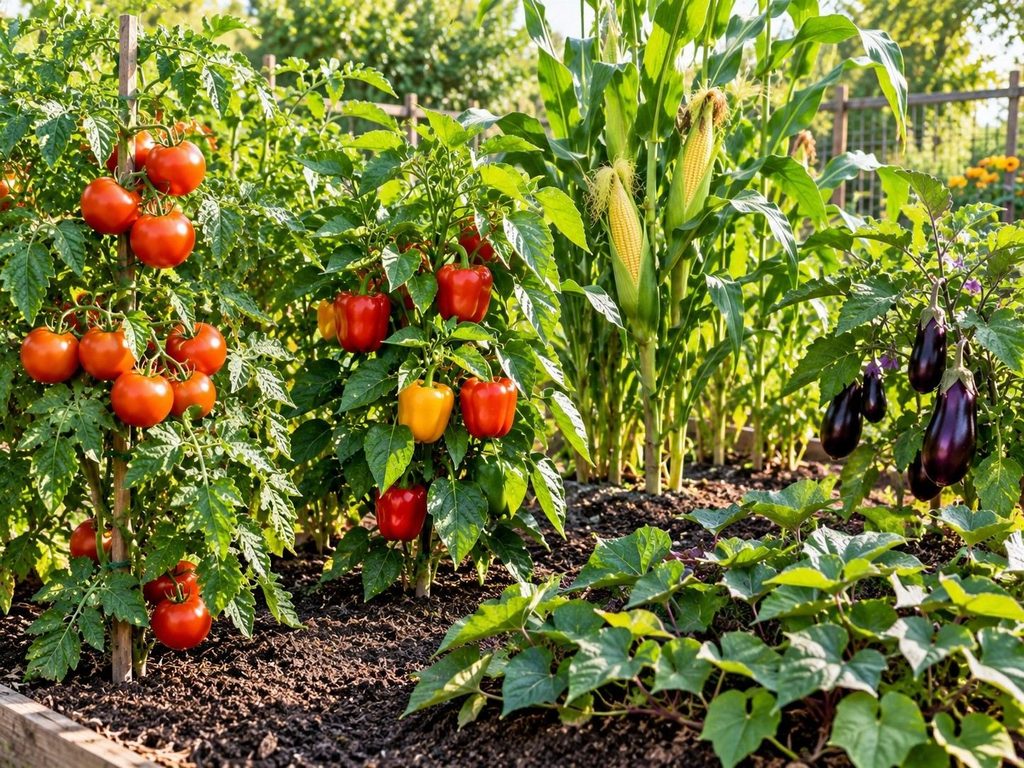
The exact planting date depends on your local climate, not the calendar. A gardener in a cool region may plant tomatoes in late spring, while someone in a subtropical or tropical climate may have a very different growing window.
Best Summer Vegetables to Grow
Tomatoes
Tomatoes are among the most rewarding summer vegetables for home gardeners. They need plenty of direct sunlight, fertile soil, regular moisture, and support as they grow.
Choose varieties appropriate for your growing season. Bush and patio varieties can work well in containers, while vigorous indeterminate varieties need stronger support.
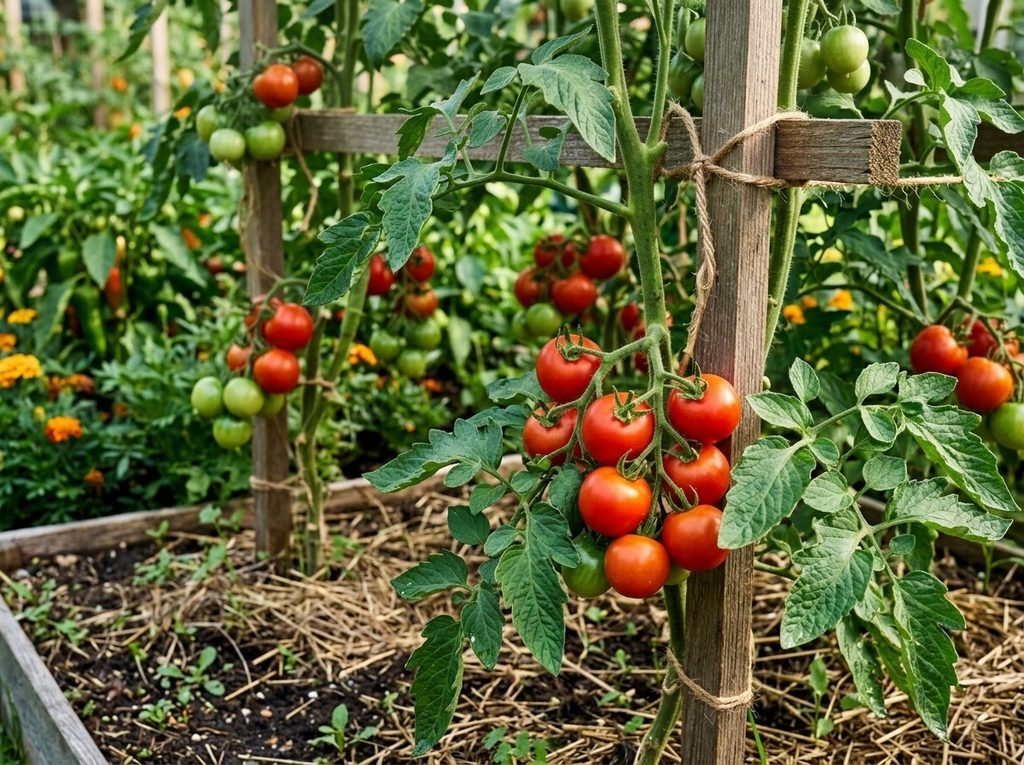
Watch the plants closely during extreme heat. Very high temperatures can interfere with flowering and fruit set, so a plant covered with flowers does not always mean a large harvest is immediately coming.
Cucumbers
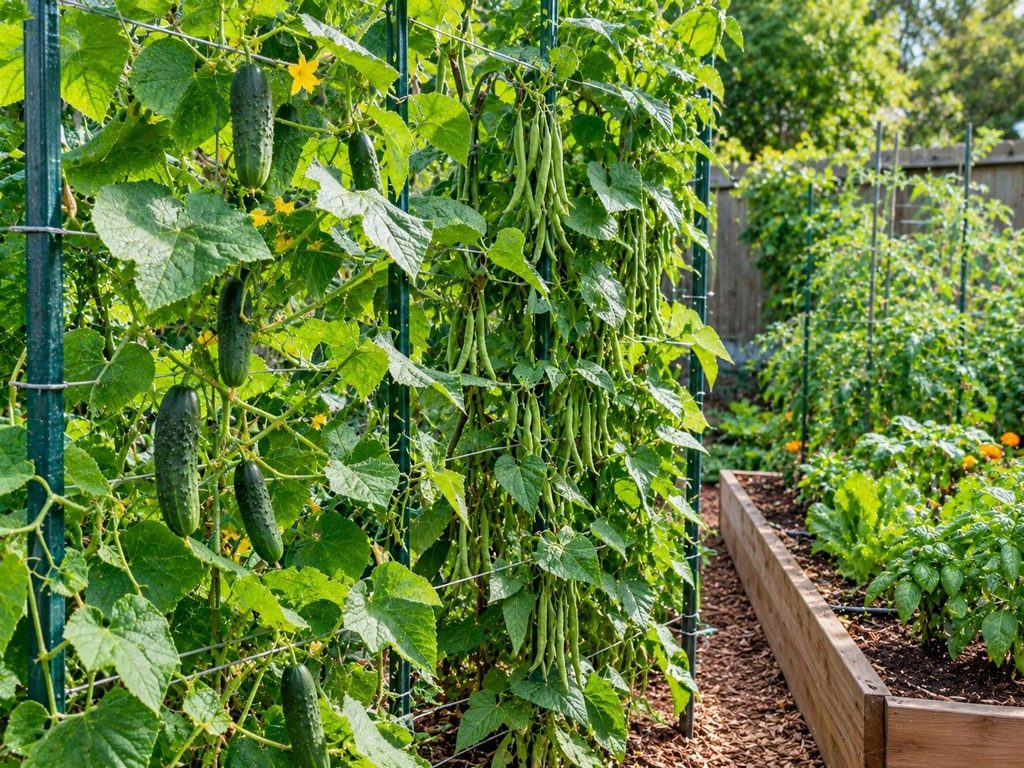
When given enough moisture, cucumbers may produce a lot and adore warmth. Give them full sun and either a trellis or enough space to spread.
A trellis makes harvesting easier and improves airflow. Check plants frequently because cucumbers can become surprisingly large in a short time.
Beans
Bush and pole beans are useful summer vegetables for gardens of different sizes. Bush beans can also be succession-planted to spread the harvest over a longer period.
Pole beans make especially good use of vertical space, making them valuable for smaller gardens and raised beds.
Peppers
Sweet and hot peppers are excellent summer vegetables for sunny gardens and containers. They prefer warm soil, good drainage, and consistent moisture.
If leaves begin curling during a heat wave, check the soil before assuming the plant needs fertilizer. Heat and moisture stress can both affect appearance and fruit production.
Okra
Okra is particularly suited to hot weather. It can be a valuable choice where summer temperatures are too demanding for some cool-season vegetables.
When pods are still young and soft, harvest them. Once pods become oversized and fibrous, their eating quality declines.
Eggplant
Eggplant thrives in warm conditions and needs sunlight, fertile soil, and consistent moisture.
Mulch around the plant without piling it directly against the stem. Mulch helps moderate soil temperature and reduces moisture loss during hot weather.
Corn
A traditional summer crop, sweet corn requires enough space and water. Corn is wind-pollinated, so growing it in blocks or multiple short rows can improve pollination compared with a single long row.
Because corn has relatively shallow roots, do not allow the soil to repeatedly become completely dry.
Melons
Melons need warmth, sunlight, moisture, and room for their vines. Before planting, consider where the vines will travel because a healthy melon plant can occupy considerably more space than a beginner expects.
Sweet Potatoes
Sweet potatoes are warm-season crops that require a long, warm growing period. They can be especially useful for gardeners who want an edible crop that tolerates summer conditions.
Plant them in loose, well-drained soil and keep moisture reasonably consistent while the crop establishes.
Heat-Tolerant Greens
Leafy greens can be challenging during intense summer heat, but some varieties are much better suited to warm conditions.
Malabar spinach and New Zealand spinach are useful alternatives to traditional spinach. Heat-tolerant lettuce varieties can also work when gardeners provide adequate moisture and, where necessary, afternoon shade.
Tomatillos
Tomatillos are small, round, tomato-like fruits native to Mexico and Central America, where they are widely used in traditional cooking. Although they look similar to green tomatoes, tomatillos have a slightly tangy flavor and grow inside papery husks.
They are warm-season plants that thrive in summer when they receive plenty of sunlight and grow in fertile, well-drained soil. Plant them after the danger of frost has passed, leaving enough space between plants for healthy growth and good air circulation.
Water regularly to keep the soil evenly moist, and provide support if the plants become large and heavy with fruit. Tomatillos are generally ready to harvest about 60–80 days after transplanting, depending on the variety and growing conditions. Pick them when the fruits fill their papery husks and the husks begin to split, indicating that the tomatillos are ready for use in fresh salsas, sauces, and other dishes.
When Should You Plant Summer Vegetables?
The best time to plant summer vegetables is determined by soil temperature, frost risk, local climate, and the crop itself.
As a general principle, warm-season crops should be planted after frost danger has passed and when the soil has warmed sufficiently. Tomatoes, peppers, cucumbers, squash, beans, corn, basil, and melons are examples of crops that prefer warm conditions.
For gardeners starting plants indoors, transplanting can provide a head start, particularly for crops with a long growing season. Other vegetables, including beans and many cucurbits, can often be direct-sown once conditions are suitable.
For hot climates: planting calendars may shift considerably. In regions with extremely hot summers, some vegetables may need to be planted before the most intense heat or protected with afternoon shade.
How to Prepare Soil for Summer Vegetables
Healthy soil gives summer vegetables a better foundation for dealing with heat and rapid growth.
Before planting:
- Remove weeds and old diseased plant material.
- Loosen compacted soil.
- Incorporate mature compost or other appropriate organic matter.
- Make sure excess water can drain away.
- Match fertilizer to the crop and soil condition rather than applying large amounts automatically.
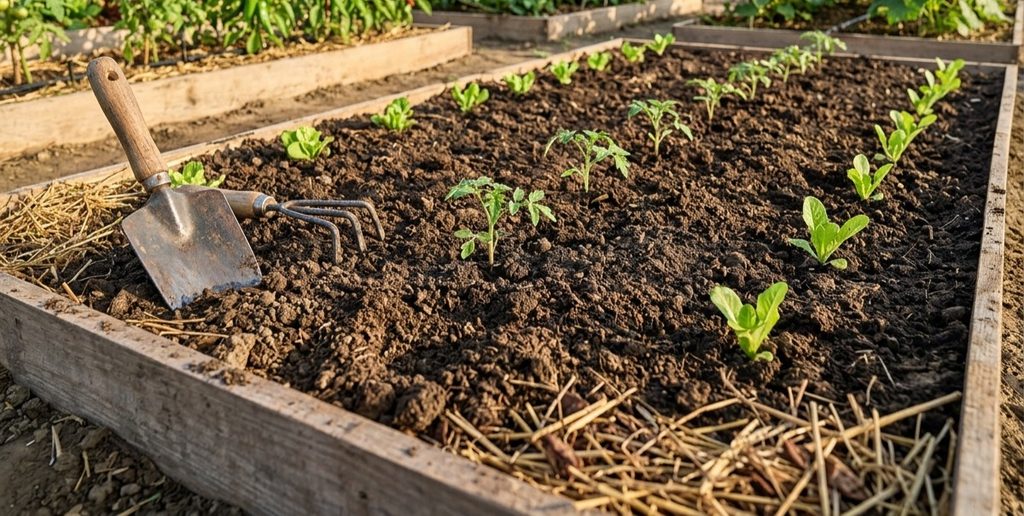
Avoid assuming that more fertilizer means more vegetables. Excess nitrogen can produce abundant green growth without the fruit production you want in some crops.
How Much Sunlight Do Summer Vegetables Need?
Most fruiting summer vegetables perform best in a sunny location. Tomatoes, peppers, eggplant, cucumbers, squash, beans, and melons generally need substantial sunlight for vigorous growth and production.
However, sunlight becomes a balancing act in extremely hot climates. Tender greens may benefit from protection from intense afternoon sun, particularly when temperatures remain high.
During a heat wave, consider whether too much heat—rather than a fertilizer shortage—is to blame if you see leaves burning or curling, blooms falling, or growth stalling.
How to Water Summer Vegetables
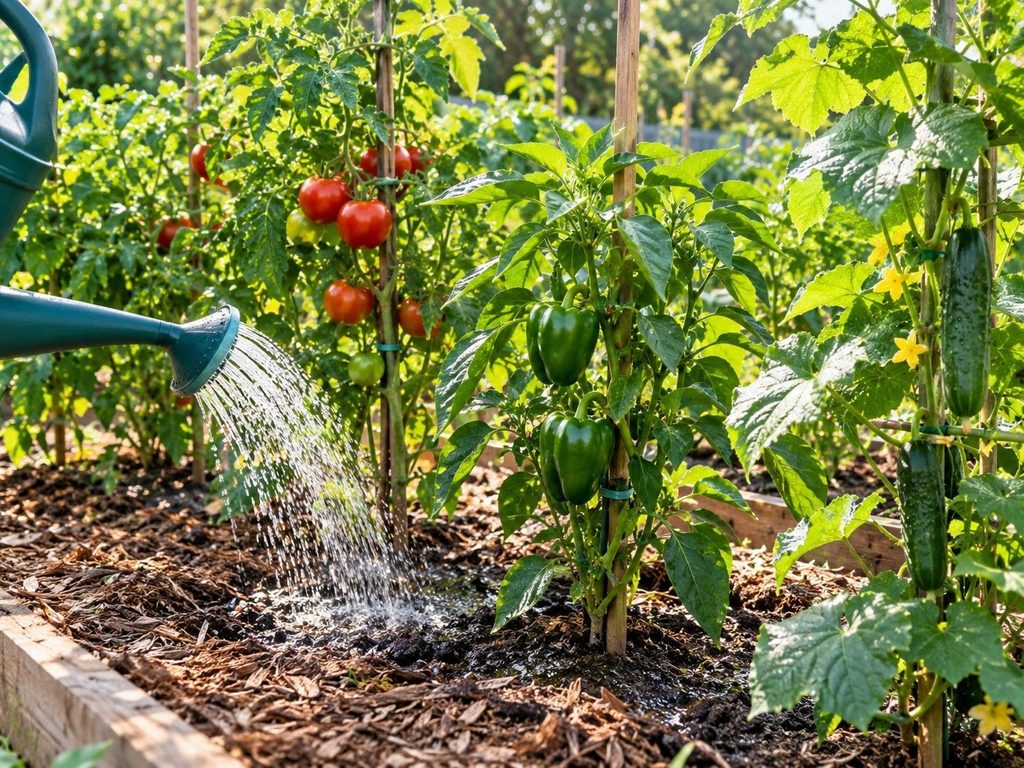
Water consistently rather than allowing plants to cycle between severe dryness and excessive watering.
Check the soil before watering. Containers and shallow raised beds can dry more quickly than larger garden beds.
Early-morning watering is generally useful because it gives plants access to moisture before the hottest part of the day. Deliver water near the soil rather than repeatedly wetting foliage. Drip irrigation and soaker systems can reduce evaporation and foliage wetting.
During flowering and fruit development, consistent soil moisture becomes especially important because fluctuating moisture can contribute to plant stress and physiological problems.
How to Protect Summer Vegetables From Heat
When a heat wave arrives, inspect the garden rather than reacting automatically.
Look for:
- Wilting or curled leaves
- Brown or scorched leaf edges
- Dropped flowers
- Slower growth
- Fruit-setting problems
- Soil that dries unusually quickly
Organic mulch can help control soil temperature and lessen evaporation. Heat-sensitive greens can receive temporary shade during the hottest part of the day.

Do not panic when a healthy plant temporarily stops producing during extreme heat. Some crops can resume growth and fruit production when temperatures become more favorable.
Summer Vegetable Pests and Diseases
Warm weather can bring increased insect and disease pressure. Inspect the undersides of leaves, growing tips, flowers, and young fruit regularly.

Good prevention begins with basic garden hygiene:
- Give plants adequate spacing.
- Remove badly diseased plant material.
- Avoid repeatedly wetting foliage.
- Water near the root zone.
- Use trellises where appropriate to improve airflow.
- Keep weeds under control.
- Rotate crop families when practical.
Mulch and drip irrigation can also reduce soil and water splash onto leaves, while good spacing improves airflow through the plant canopy.
Common Summer Vegetable Gardening Mistakes
Planting too early is one of the most frequent gardening mistakes. Warm-season vegetables may survive cool conditions but still grow poorly when soil temperatures are inadequate.
Other common problems include:
- Watering only when plants visibly wilt
- Overfertilizing
- Crowding plants
- Ignoring the mature size of vining crops
- Growing heat-sensitive greens in full afternoon sun
- Forgetting to harvest frequently
- Choosing varieties poorly suited to the local climate
A good summer garden is managed by observation. Walk through it regularly and look at the soil, leaves, flowers, and developing vegetables—not just the overall appearance.
How to Harvest Summer Vegetables
Harvesting at the right stage keeps vegetables tender and encourages continued production.
Pick cucumbers, beans, zucchini, and okra frequently rather than waiting for them to become oversized. Tomatoes can be harvested according to the variety and intended use, while leafy greens are often best picked while leaves are young and tender.

Harvesting during cooler parts of the day can help produce stay crisp and fresh.
Conclusion
Growing summer vegetables successfully is less about fighting the heat and more about working with it. Choose crops and varieties suited to your climate, plant when soil and weather conditions are appropriate, prepare fertile, well-drained soil, and maintain consistent moisture.
The best summer season vegetables for your garden may not be exactly the same as those recommended for another region. Start with a manageable selection—such as tomatoes, cucumbers, peppers, beans, squash, okra, or heat-tolerant greens—and learn how each crop responds to your particular garden.
With regular observation, thoughtful watering, good soil management, and timely harvesting, summer can become one of the most productive seasons in your vegetable garden.
FAQs
1. What vegetables grow best in summer?
Tomatoes, peppers, cucumbers, summer squash, beans, okra, eggplant, corn, melons, and sweet potatoes are common warm-season choices. Heat-tolerant greens can also extend leafy-vegetable production into summer.
2. When should I plant summer vegetables?
Planting time depends on your climate. Generally, warm-season crops should go outdoors after frost risk has passed and once the soil has warmed adequately. Check the requirements for the specific crop and variety.
3. How often should I water summer vegetables?
Every garden has its own unique growing schedule. Check soil moisture near the root zone and water deeply enough to maintain consistent moisture. Containers and shallow beds generally require more frequent monitoring.
4. Can vegetables grow in extreme summer heat?
Yes, but crop response varies. Okra, eggplant, peppers, sweet potatoes, and some heat-tolerant greens can handle warm conditions better than cool-season crops. During extreme heat, even normally heat-loving plants can experience flower drop or stalled growth.
5. How can I protect summer vegetables during a heat wave?
Start by ensuring that the soil is sufficiently moist and examining plants for signs of heat stress. Maintain consistent root-zone moisture, refresh mulch, and provide temporary shade to vulnerable crops. Tomatoes, peppers, cucumbers, and other fruiting crops may temporarily reduce fruit set during severe heat.

Growing Tomatoes: A Beginner’s Guide to Planting and Care

11 Summer Vegetables to Grow for a Productive Garden

How to Grow Vegetables Indoors

Easy Vegetables to Grow:10 Beginner-Friendly Vegetables

Home Vegetable Gardening: How to Grow Fresh Vegetables at Home

Kitchen Garden: How to Plan, Plant, and Grow Fresh Food at Home

Winter Vegetables: A Beginner’s Guide to Growing, Caring for, and Harvesting Winter Crops
How to Grow Vegetables Indoors
Home Vegetable Gardening: How to Grow Fresh Vegetables at Home
Easy Vegetables to Grow:10 Beginner-Friendly Vegetables
-
 Kitchen Gardening1 week ago
Kitchen Garden: How to Plan, Plant, and Grow Fresh Food at Home
-
 Growing Vegetables3 days ago
How to Grow Vegetables Indoors
-
 Growing Vegetables4 days ago
Easy Vegetables to Grow:10 Beginner-Friendly Vegetables
-
 Growing Vegetables5 days ago
Home Vegetable Gardening: How to Grow Fresh Vegetables at Home
-

 Growing Vegetables6 days ago
Organic Vegetables: Growing, Benefits, and Fresh Produce
-
 Seasonal Vegetable Gardening1 day ago
11 Summer Vegetables to Grow for a Productive Garden
-
 Growing Vegetables8 hours ago
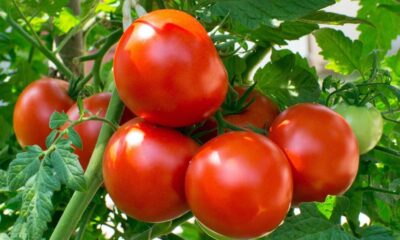
Growing Tomatoes: A Beginner’s Guide to Planting and Care